
Blog
Dental Implant
5 Things You Need to Know About Dental Implants in Same Day
September 25, 2023
Dental Implant

Are you considering dental implants, but feeling overwhelmed by all the information out there? Look no further! We’re here to break it down for you and bring some clarity to this exciting dental procedure. Before leaping a confident smile, let’s dive into the top five things you need to know before getting dental implants. From debunking myths to understanding the process, we’ve got your back every step of the way. So sit back, relax, and get ready to embark on your journey towards a flawless set of pearly whites!
What are dental implants?
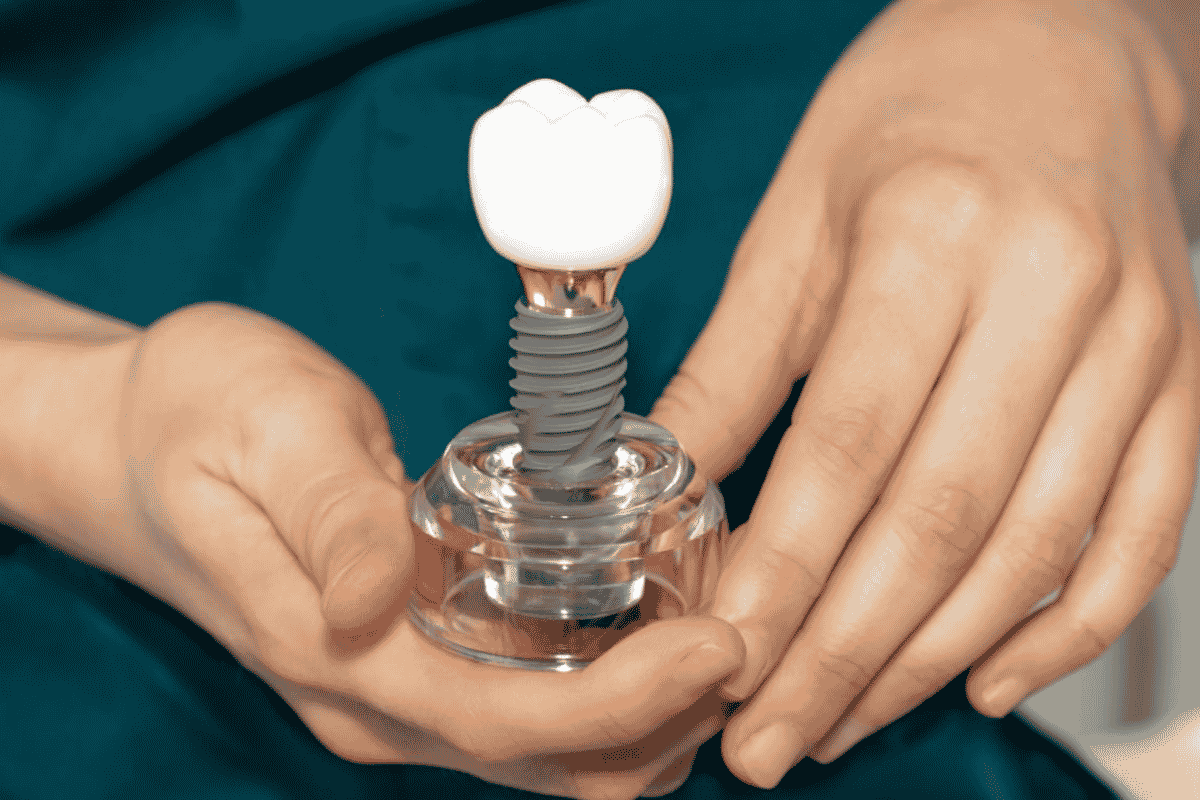
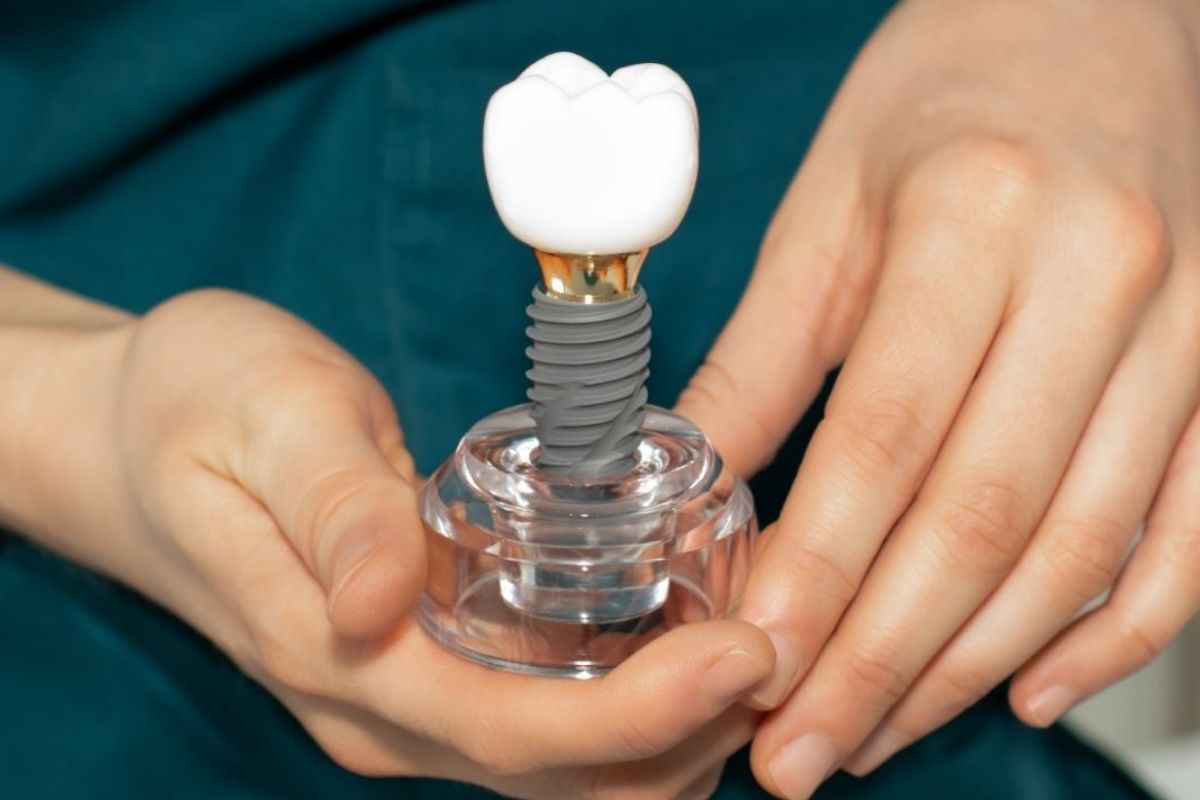
Dental implants are a popular and effective solution for those who have lost one or more teeth due to injury, decay, periodontal disease, or other reasons. They are artificial tooth roots that are surgically placed into the jawbone and act as a sturdy base for replacement teeth. These replacement teeth are designed to match your natural teeth in both function and appearance, making them a highly desirable option for restoring missing teeth.
1. How do dental implants work?
The process of getting dental implants involves multiple steps and requires the expertise of a qualified dentist or oral surgeon. The first step is the careful assessment of your oral health to determine if you are a suitable candidate for dental implants. This evaluation typically includes X-rays, scans, and physical examination of your mouth.
If you have sufficient bone density and healthy gums, your dentist will move forward with the implant placement procedure. During this procedure, small titanium posts (implants) will be surgically inserted into your jawbone beneath the gum line. These implants serve as artificial tooth roots that securely anchor replacement teeth such as crowns or dentures.
Over time, usually 3-6 months after the surgery, the bone in your jaw will fuse with these implant posts through a process called osseointegration. This provides a solid foundation for replacement teeth and ensures they stay in place when eating and speaking.
Once this healing process is complete, abutments (small connectors) will be attached to each implant post above the gum line. These abutments serve as anchors for your replacement teeth. Finally, custom-made crowns, bridges, or dentures will be attached to the abutments to complete the restoration process.
2. Why are dental implants a good option for replacing missing teeth?
Dental implants offer numerous benefits compared to other tooth replacement options such as dentures or bridges. Some of the advantages of dental implants include:
– They look and feel like natural teeth: Dental implants are designed to closely mimic the appearance and function of your natural teeth. They are custom-made to match the color, shape, and size of your existing teeth, providing you with a seamless smile.
– They are long-lasting: With proper care and maintenance, dental implants can last a lifetime. Unlike other tooth replacement options that may need frequent adjustments or replacements, dental implants are a permanent solution for missing teeth.
– They preserve bone health: When you lose a tooth, the jawbone in that area begins to shrink due to lack of stimulation from chewing and biting. This can cause changes in your facial structure and make you look older. Dental implants prevent this bone loss by stimulating and preserving the jawbone.
– They don’t require support from adjacent teeth: Unlike traditional bridges that rely on nearby teeth for support, dental implants are self-supporting. This means that no healthy teeth need to be altered or compromised to accommodate the implant, preserving your natural teeth.
– They allow you to eat and speak with confidence: As dental implants are securely anchored in the jawbone, you can eat and speak without worrying about them slipping or shifting. This allows you to enjoy your favorite foods and speak naturally, eliminating any self-consciousness about your missing teeth.
3. Who is a good candidate for dental implants?
Dental implants may be suitable for most adults who have lost one or more teeth due to injury, decay, or other reasons. Your dentist will conduct a thorough evaluation of your oral health to determine if you are a good candidate for the procedure.
Benefits of dental implants
Dental implants have become a popular choice for replacing missing or damaged teeth. They offer a permanent solution that not only restores the functionality of the mouth but also improves its appearance. If you are considering getting dental implants, it’s important to understand the many benefits they offer. In this section, we will discuss some of the key benefits of dental implants.
1. Restoration of Functionality:
One of the main benefits of dental implants is their ability to restore functionality to your mouth. Unlike other tooth replacement options such as dentures or bridges which sit on top of the gums, dental implants are surgically placed into the jawbone, mimicking natural teeth roots. This provides a strong and stable foundation for replacement teeth, allowing you to eat and speak with confidence.
2. Long-Lasting Solution:
While other tooth replacement options may need to be replaced every few years, dental implants are designed to last a lifetime with proper care. Made from durable materials like titanium and porcelain, they are resistant to decay and can withstand normal wear and tear.
3. Improved Oral Health:
Missing teeth can lead to bone loss in the jaw and shifting of surrounding teeth. Dental implants help prevent these issues by stimulating the jawbone just like natural tooth roots do. This keeps your jawbone healthy and prevents changes in facial structure that can occur with missing teeth.
4. Enhanced Aesthetics:
Another benefit of dental implants is their ability to enhance your smile aesthetics by replacing missing or damaged teeth with natural-looking prosthetics that match the rest of your teeth. This not only boosts your confidence but also improves your overall facial appearance.
5. Comfort and Convenience:
Unlike dentures which can slip or shift in the mouth, dental implants are permanently fixed in place and feel like natural teeth. This eliminates any discomfort or inconvenience that may come with removable prosthetics.
6. Better Speech:
Missing teeth or ill-fitting dentures can cause problems with speech, whereas dental implants provide a stable base for replacement teeth, eliminating any speech impediments.
7. Preservation of Adjacent Teeth:
With traditional tooth-supported bridges, adjacent teeth need to be shaved down to hold the bridge in place. This can weaken these healthy teeth over time. With dental implants, adjacent teeth are left untouched, preserving their strength and integrity.
8. No Dietary Restrictions:
Dental implants function just like natural teeth, allowing you to eat all of your favorite foods without fear of dislodging them or causing damage.
9. The Success Rate
of Dental Implants: With proper care and maintenance, dental implants have a high success rate of up to 98%. This makes them one of the most reliable options for tooth replacement.
Things to consider before getting dental implants:
Getting dental implants is a big decision and it is important to carefully consider all aspects before proceeding with the treatment. Dental implants are a popular and effective option for replacing missing teeth, but they require careful planning and consideration to ensure successful results.
1. Consultation with a specialist:
Before getting dental implants, it is crucial to schedule a consultation with a dental implant specialist. This will allow you to discuss your specific case and determine if you are a good candidate for the procedure. The specialist will thoroughly examine your oral health, bone structure, and overall medical history to determine if you have any underlying issues that may affect the success of the implants.
2. Overall oral health:
Dental implants require healthy gums and adequate bone support to be successful. It is important to have any existing gum disease or tooth decay treated before proceeding with the implant surgery. Additionally, patients who suffer from chronic conditions such as diabetes or heart disease may need clearance from their physician before undergoing the procedure.
3. Bone density:
For dental implants to be successful, there needs to be enough bone structure in the jawbone to support them. If you have been missing teeth for an extended period, there may not be enough bone density present in which case additional procedures such as bone grafting may be necessary before getting dental implants.
4. Time commitment:
Getting dental implants is a process that requires multiple appointments and time for healing. The entire process can take several months, from the initial consultation to the final restoration placement. It is important to understand and be committed to the timeline before proceeding with the treatment.
5. Long-term maintenance:
While dental implants are a long-lasting solution for missing teeth, they still require regular maintenance and care to ensure their success. This includes good oral hygiene habits such as brushing and flossing regularly, as well as routine visits to the dentist for check-ups and cleanings.
Recovery process and maintenance
1. Recovery Process:
After undergoing dental implant surgery, it is important to understand the recovery process to ensure a successful outcome. The initial healing phase usually lasts for 7-10 days, during which you may experience some discomfort and swelling around the implant site. Your dentist will prescribe pain medication to manage any discomfort and may also provide specific aftercare instructions such as using ice packs or special mouthwashes.
During this time, it is crucial to follow proper oral hygiene practices recommended by your dentist, including brushing and flossing gently around the implanted area. It is also advisable to stick to a soft diet and avoid hard or chewy foods that can put pressure on the healing implants.
2. Maintenance:
Once the initial healing has taken place, the focus shifts towards maintaining your dental implants for long-term success. Proper maintenance is key to ensuring that your implants stay strong and healthy for years to come.
Regular Dental Check-Ups:
It is essential to schedule regular check-ups with your dentist, especially in the first year following implant surgery. This allows your dentist to monitor the healing process and address any issues that may arise early on.
Oral Hygiene:
Maintaining good oral hygiene habits is crucial for keeping your implants clean and free of plaque buildup. Be sure to brush twice a day with a soft-bristled toothbrush, floss daily, and use an antibacterial mouthwash recommended by your dentist.
Avoid Smoking:
Smoking can significantly impact the longevity of your dental implants. It not only increases the risk of complications during the healing process, but it can also lead to implant failure in the long run. If you smoke, it is advised to quit or at least reduce your smoking habits to improve the chances of successful implant integration.
Regular Teeth Cleanings:
It is recommended to have professional teeth cleanings every six months by a dental hygienist. This helps keep your gums and implants healthy and free from plaque buildup.
Proper Diet:
What you eat can also affect the success of your dental implants. A well-balanced diet that includes plenty of fruits and vegetables, lean proteins, and whole grains can help promote healing and maintain good oral health.
By following these steps, you can ensure a successful recovery and longevity of your dental implants. Remember to consult with your dentist if you experience any issues or have any concerns regarding your implants.
After considering all the important factors and information regarding dental implants, it is clear that they can be a great option for anyone looking to replace missing teeth. However, deciding if a dental implant is the right choice for you ultimately depends on your individual needs and circumstances.
Recent Post

September 21, 2026
Can Diabetes Increase the Risk of Dental Implant Failure?
September 17, 2026
Can You Get Dental Implants Years After Losing a Tooth?
September 11, 2026
What to Eat After Dental Implant Surgery: A Complete Recovery Guide

September 4, 2026
Why Do My Gums Bleed When I Brush?

August 26, 2026
Can You Use Garlic for Tooth Pain? Benefits, Risks, and Alternatives
Categories
Dental Implant (14)