
Blog
Uncategorized
When Can You Smoke After Dental Implant Surgery?
November 4, 2026
Uncategorized
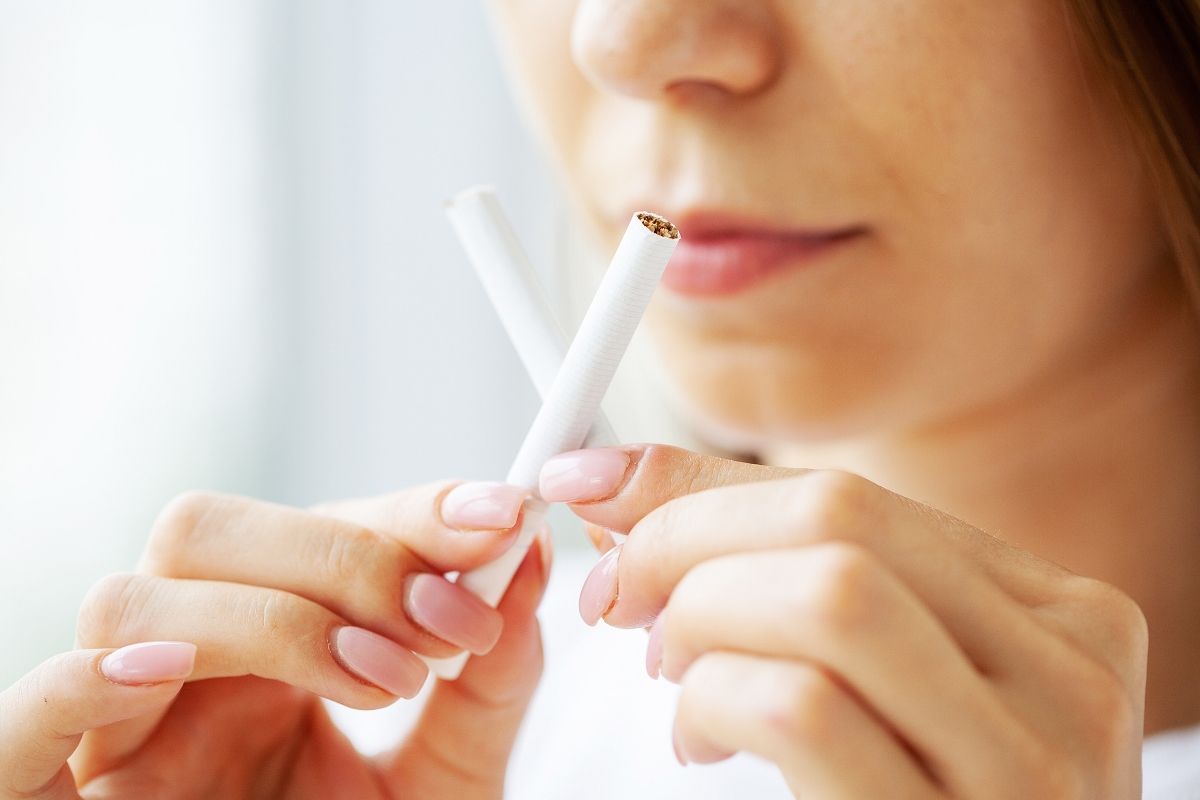
You should avoid smoking for at least two weeks after dental implant surgery, although your dentist or oral surgeon may recommend waiting longer. Smoking too soon can slow wound healing, increase the risk of infection, and interfere with the process that allows your implant to bond with the jawbone.
Even if your surgical site feels comfortable after a few days, the underlying tissues still need time to heal. Avoiding cigarettes, cigars, vaping, and other tobacco products during recovery can help protect your investment in a healthy, functional tooth.
How Long Should I Wait to Smoke After Dental Implant Surgery?
Most patients should avoid smoking for at least two weeks following implant placement. However, this is a minimum recommendation rather than a universal clearance date.
Your recovery period may depend on:
- The number of implants placed
- Whether you also received a bone graft
- Your general health and healing ability
- Your history of smoking
- The complexity of your procedure
The safest approach is to avoid smoking for as long as your dental surgeon recommends. Ideally, consider quitting permanently because tobacco use can continue to affect the health of your implants even after the surgical wound heals.
Why Is Smoking Bad After Dental Implant Surgery?
Smoking exposes your body to nicotine, carbon monoxide, and other harmful chemicals. These substances can interfere with the healing process in several ways.
1. Smoking Reduces Blood Flow
Nicotine narrows blood vessels and reduces blood circulation to the surgical area. Your healing tissues need oxygen and nutrients delivered through the bloodstream.
Reduced blood flow can slow tissue repair and make it harder for your body to recover after surgery.
2. Smoking Increases the Risk of Infection
Your mouth naturally contains bacteria. After surgery, your body works to protect the wound and repair damaged tissue.
Smoking can interfere with normal healing and make it harder for the surgical area to recover. This may increase the risk of infection around the implant.
3. Smoking Can Interfere With Osseointegration
Osseointegration is the process through which your jawbone grows around and bonds with the dental implant.
This connection provides the stability needed to support your replacement tooth.
Smoking can interfere with bone healing and increase the risk of implant failure. The implant may not develop a strong connection with the surrounding bone if healing does not progress properly.
4. Smoking Can Increase the Risk of Implant Complications
Long-term tobacco use is associated with a higher risk of peri-implantitis, an inflammatory condition that affects the tissues surrounding a dental implant.
It can cause gum inflammation and progressive bone loss around the implant. Without treatment, the condition may eventually threaten implant stability.
Can I Vape or Use Nicotine Products After Implant Surgery?
No. Vaping is not a safe alternative during implant recovery.
Although e-cigarettes do not produce tobacco smoke, many contain nicotine, which can restrict blood flow and interfere with healing.
You should also avoid:
- Nicotine pouches
- Cigars and pipes
- Chewing tobacco
- Smokeless tobacco products
Avoid all nicotine and tobacco products during recovery, unless your healthcare provider gives you specific guidance about nicotine replacement therapy.
What Happens If I Smoke Too Soon After Implant Surgery?
Smoking during the early healing period can increase the chances of several complications, including:
- Delayed healing: The surgical wound may take longer to close and recover.
- Infection: Poor healing can make the surgical area more vulnerable to complications.
- Implant failure: The implant may not bond properly with the jawbone.
- Peri-implantitis: Inflammation and infection can damage the tissues supporting the implant.
One cigarette does not automatically mean your implant will fail. However, smoking introduces avoidable risks during a critical stage of recovery.
If you have already smoked after surgery, avoid smoking again and contact your dental surgeon for advice.
How Can I Protect My Dental Implant While It Heals?
Your daily habits can make a difference in how well your implant recovers.
Follow these precautions:
- Avoid smoking and vaping: Stay away from nicotine and tobacco products throughout the recommended healing period.
- Follow your aftercare instructions: Take prescribed medications as directed and follow your surgeon’s cleaning instructions.
- Choose soft foods: Eat foods that require minimal chewing during the initial recovery period.
- Keep your mouth clean: Brush carefully and clean the surgical area as instructed.
- Avoid disturbing the implant site: Do not touch, press, or repeatedly check the surgical wound with your tongue or fingers.
- Attend follow-up visits: Your dentist can monitor healing and check whether the implant is integrating properly.
Contact your dental surgeon if you experience worsening pain, increasing swelling, fever, pus, or persistent bleeding.
Give Your Dental Implant the Best Chance to Heal
Dental implants require careful aftercare, especially during the first few weeks. Avoiding smoking, following your surgeon’s instructions, and attending follow-up visits can help reduce complications and support long-term implant health.
If you are considering implants or have questions about recovery, visit our dental clinic in Avondale. At Gentle Family Dentist Avondale and Dental Implants, we can guide you through implant treatment, explain your aftercare requirements, and help you protect your results. Visit our website to learn more and take the next step toward restoring your teeth.
Recent Post

November 11, 2026
What Causes a Bad Taste in the Mouth?
November 10, 2026
Dental Implants Last 25+ Years — Here’s What Really Matters

November 10, 2026
Why Your Teeth Change After 60 (And What to Do About It)
November 4, 2026
When Can You Smoke After Dental Implant Surgery?
October 28, 2026
Swollen Gum Around a Wisdom Tooth: What It Means
Categories
Uncategorized (4)