
Blog
Cosmetic Dentistry
4 Essential Home Care Tips After Dental Implant Surgery
August 12, 2024
Cosmetic Dentistry
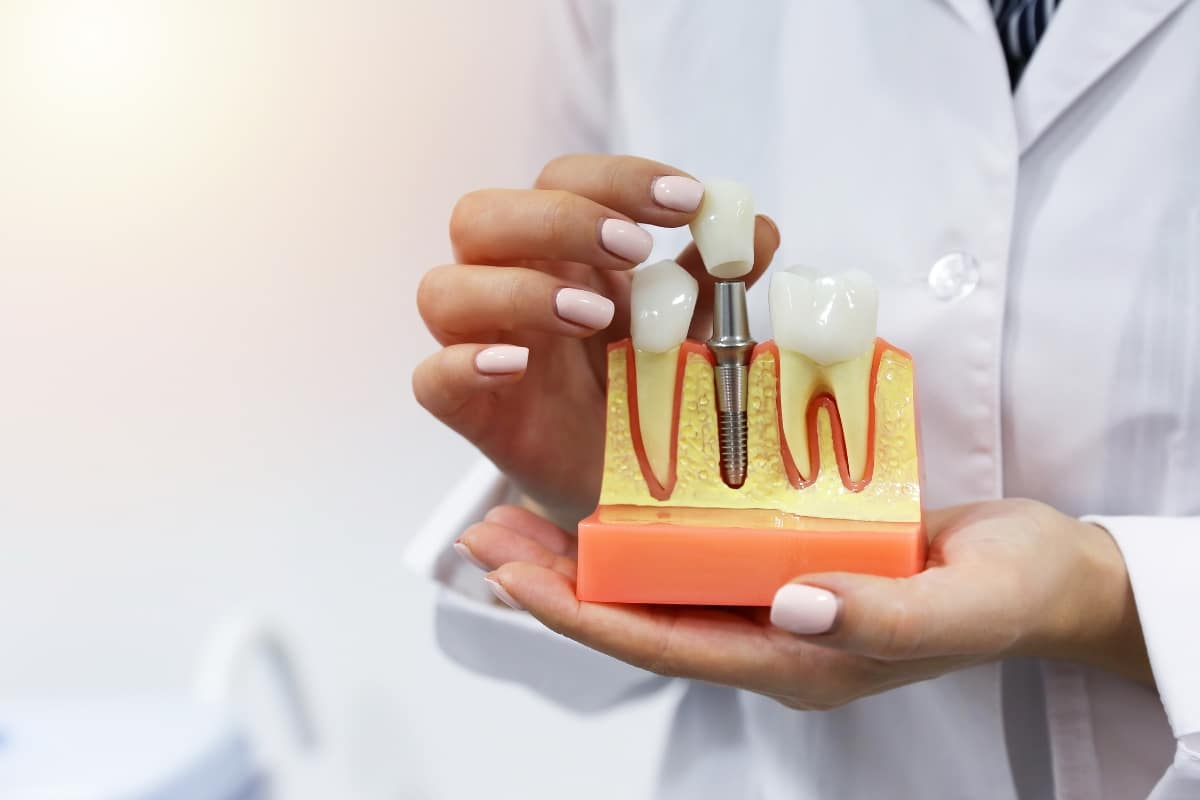
Dental implant surgery is a significant step towards a healthier smile, but the care you provide for yourself at home plays a crucial role in the success of the procedure. Effective home care can enhance healing, reduce discomfort, and ensure that your implants integrate well with your jawbone. In this guide, we’ll cover four essential home care tips to help you recover smoothly after your dental implant surgery.
Follow Your Dentist’s Instructions
Importance of Adhering to Professional Advice
Your local dentist will provide specific instructions tailored to your needs following your dental implant surgery. Adhering to these guidelines is vital for a successful recovery. These instructions might include how to care for your new implants, medications to take, and signs of potential complications.
Typical Instructions Given by Your Dentist
Generally, your dentist will advise on things like avoiding hard or sticky foods, using prescribed medications correctly, and keeping follow-up appointments. Ignoring these instructions can lead to complications and delay your recovery.
Maintain Oral Hygiene
How to Properly Brush and Floss
Maintaining excellent oral hygiene is essential to avoid infections and ensure the longevity of your implants. Gently brush your teeth and the area around the implant site with a soft-bristled toothbrush. Floss daily to remove food particles and plaque. Your dentist may also recommend a special antimicrobial mouth rinse to keep the area clean.
Choosing the Right Dental Products
Opt for products that are gentle on your healing gums and implant site. Avoid abrasive toothpaste and hard-bristled brushes that could damage sensitive areas. Consult your cosmetic dentist for recommendations on the best products to use during your recovery.
Benefits of Maintaining Good Oral Hygiene
Keeping your mouth clean helps prevent infections and promotes faster healing. It also contributes to the long-term success of your dental implants by ensuring that the surrounding gum tissue remains healthy.
Manage Pain and Swelling
Using Over-the-Counter Pain Relievers
Post-surgery pain and swelling are common, but they can be managed effectively. Over-the-counter pain relievers such as ibuprofen or acetaminophen can help alleviate discomfort. Always follow the dosage instructions provided by your general dentist or the medication label.
Effective Methods to Reduce Swelling
Applying an ice pack to the outside of your face near the implant site can help reduce swelling. Be sure to wrap the ice pack in a cloth to avoid direct contact with your skin. Apply it for 15-20 minutes every hour as needed.
When to Seek Emergency Dentistry
If you experience severe pain, excessive bleeding, or other unusual symptoms, it’s essential to seek emergency dentistry. Contact your local dentist immediately to address any potential complications.
Monitor Your Diet and Activity
Recommended Foods to Eat and Avoid
During the initial healing phase, stick to soft, non-spicy foods that won’t irritate the implant site. Avoid hard or sticky foods that could disrupt the healing process. Foods like yogurt, mashed potatoes, and soups are good choices. Stay hydrated by drinking plenty of water, but avoid using straws, as the suction could affect the healing process.
Avoiding Strenuous Activities
Refrain from engaging in strenuous activities or exercises that could strain your body and disrupt the healing process. Gentle activities like walking are fine, but avoid heavy lifting or vigorous workouts until your dentist gives the green light.
Hydration and Its Importance
Staying hydrated is crucial for overall health and aids in the healing process. Drinking enough water helps maintain oral moisture and supports the body’s recovery efforts.
Conclusion
Recovering from dental implant surgery requires careful attention to home care. By following these essential tips—adhering to your dentist’s instructions, maintaining good oral hygiene, managing pain and swelling, and monitoring your diet and activity—you can support a smooth recovery and enjoy the benefits of your new dental implants. Remember, your dentist is there to guide you through this process, so don’t hesitate to reach out with any questions or concerns.
Recent Post
September 21, 2026
Can Diabetes Increase the Risk of Dental Implant Failure?
September 17, 2026
Can You Get Dental Implants Years After Losing a Tooth?
September 11, 2026
What to Eat After Dental Implant Surgery: A Complete Recovery Guide
September 4, 2026
Why Do My Gums Bleed When I Brush?

August 26, 2026
Can You Use Garlic for Tooth Pain? Benefits, Risks, and Alternatives
Categories
Cosmetic Dentistry (38)