
Blog
General Dentistry
Why Do Teeth Hurt When Eating Ice? Causes and Solutions
August 5, 2026
General Dentistry
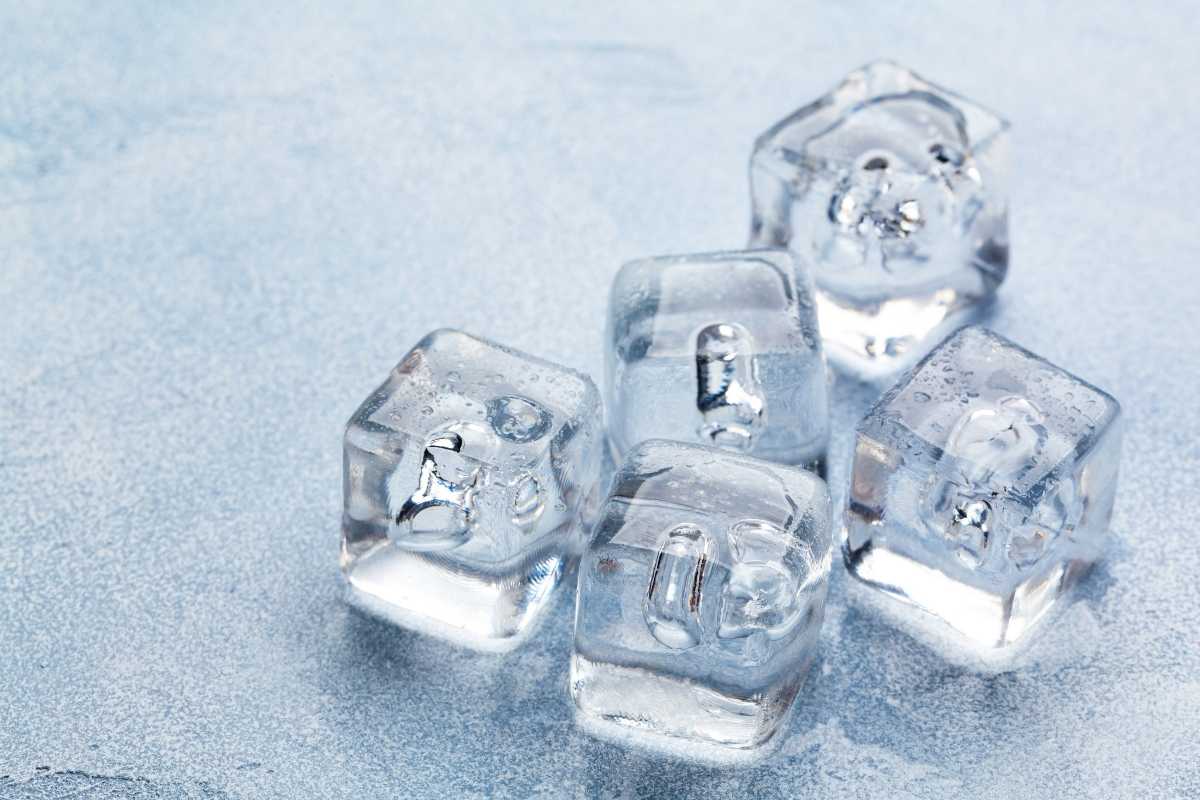
If your teeth hurt when you eat ice, the problem may be more than just the extreme cold. Ice can trigger a sharp, sudden sensation when tooth enamel has worn down, gums have receded, or a tooth has developed a cavity, crack, or other issue. Occasional sensitivity can happen, but pain that keeps returning deserves a dental evaluation.
Understanding what causes the discomfort can help you protect your teeth and know when it is time to see a dentist.
Why Does Ice Cause Tooth Pain?
Healthy teeth have protective layers that help shield the sensitive inner portion of the tooth. When that protection becomes thinner or damaged, cold temperatures can reach the nerves more easily.
Ice creates an especially strong temperature change. When the cold reaches exposed areas of the tooth, the nerves may respond with a sudden sharp pain. The discomfort often disappears quickly once the cold stimulus is gone.
If the pain lingers, becomes severe, or affects only one tooth, an underlying dental problem may be responsible.
Common Causes of Tooth Pain When Eating Ice
Several dental conditions can make your teeth more sensitive to cold.
Tooth Sensitivity
Tooth sensitivity is one of the most common reasons for pain from ice. It can occur when enamel wears down or when gum tissue pulls away from the teeth and exposes the underlying dentin.
You may also notice sensitivity when drinking cold water, eating ice cream, or consuming hot foods and beverages.
Enamel Erosion
Enamel protects the inner structures of your teeth, but it can gradually become thinner because of acidic foods and drinks, frequent exposure to stomach acid, or aggressive brushing.
Once enamel becomes thinner, cold temperatures can reach the dentin more easily and cause discomfort.
Cavities
A cavity can expose deeper layers of a tooth and make it sensitive to cold. You may notice a sharp sensation when eating ice, drinking something cold, or consuming sweets.
A small cavity may not cause constant pain, so sensitivity can sometimes be an early warning sign.
Gum Recession
When gums recede, they can expose the tooth root. Unlike the crown of the tooth, the root does not have a protective enamel covering.
This exposed area can respond strongly to cold foods and drinks. Gum recession can develop because of gum disease, aggressive brushing, aging, or other factors.
Cracked or Damaged Teeth
A small crack can allow temperature changes to reach the inner part of a tooth. You may feel sudden pain when eating ice or biting into something.
Pain from a cracked tooth may also occur when chewing or when releasing your bite. Because cracks can worsen over time, persistent symptoms should not be ignored.
Worn Dental Fillings
Older or damaged fillings can sometimes allow sensitivity to develop around a tooth. If you recently received a filling and continue to experience significant sensitivity, tell your dentist so the tooth can be evaluated.
Teeth Grinding
Grinding or clenching your teeth can place excessive pressure on enamel and contribute to sensitivity. Over time, this habit may also cause worn tooth surfaces, small cracks, jaw discomfort, or headaches.
Is It Normal for Teeth to Hurt From Ice?
A brief sensation from extreme cold does not necessarily mean that your teeth are unhealthy. Some people naturally have more sensitive teeth, and ice can produce a particularly strong cold stimulus.
However, repeated or worsening pain should not be considered normal. Pay attention to how long the discomfort lasts and whether it occurs with other foods or drinks.
A dentist can determine whether the problem comes from sensitivity or an underlying condition that requires treatment.
What Can You Do About Sensitive Teeth?
You can take several steps to reduce discomfort and protect your teeth.
Avoid Chewing Ice
Chewing ice can expose your teeth to extreme cold while also placing considerable pressure on the enamel. Hard ice can contribute to chips, cracks, and other dental damage.
If you enjoy cold drinks, allow the ice to melt instead of chewing it.
Use a Soft Bristled Toothbrush
Brushing too hard can wear enamel and irritate the gums. Use a soft-bristled toothbrush and gentle pressure when cleaning your teeth.
Consider Toothpaste for Sensitive Teeth
Toothpaste designed for sensitive teeth can help reduce the transmission of sensations through exposed dentin. Use it consistently rather than expecting immediate relief after one use.
Limit Acidic Foods and Drinks
Frequent exposure to acidic foods and beverages can contribute to enamel erosion. Soda, sports drinks, citrus products, and other acidic items can increase the risk of sensitivity.
Try to reduce frequent sipping and rinse your mouth with water afterward.
Maintain Good Oral Hygiene
Brushing twice a day, cleaning between your teeth, and keeping regular dental appointments can help prevent cavities and gum problems that may contribute to sensitivity.
When Should You See a Dentist?
Make an appointment if your tooth pain is frequent, intense, or getting worse. You should also seek dental care if sensitivity continues after the cold stimulus is gone.
A dental examination becomes particularly important when you notice:
• Pain in one specific tooth
• Pain when biting or chewing
• A visible crack or chip
• Swollen or bleeding gums
• A cavity or dark spot on a tooth
• Persistent toothache
• Sensitivity that suddenly develops
These symptoms can point to problems that require more than home care.
How a Dentist Can Find the Cause
Your dentist will examine the affected teeth and ask about when the pain occurs, how long it lasts, and whether other foods or activities trigger it.
Depending on your symptoms, the examination may include checking for cavities, enamel wear, gum recession, cracks, damaged fillings, or other problems. Dental X-rays may also help identify issues that are not visible during a routine examination.
Treatment depends on the cause. Mild sensitivity may improve with preventive care and sensitivity toothpaste, while cavities, damaged fillings, cracks, or gum problems may require professional treatment.
Do Not Ignore Repeated Tooth Sensitivity
A quick twinge from ice may seem insignificant, but recurring sensitivity can sometimes be the first noticeable sign of a dental problem. You do not need to wait until the pain becomes severe before getting it checked.
If you are experiencing tooth sensitivity in Avondale, a dental examination can help identify the cause and determine the right treatment.
Take the Guesswork Out of Tooth Sensitivity
Cold sensitivity does not always mean you have a serious dental problem, but recurring pain deserves attention. Finding the cause early can make treatment simpler and help protect your natural teeth.
Ready to find out what is causing your sensitivity?
Visit our dental clinic in Avondale and let the team at Gentle Family Dentist Avondale and Dental Implants evaluate your teeth and recommend the right next step. Visit our dental clinic.
Recent Post

September 21, 2026
Can Diabetes Increase the Risk of Dental Implant Failure?
September 17, 2026
Can You Get Dental Implants Years After Losing a Tooth?
September 11, 2026
What to Eat After Dental Implant Surgery: A Complete Recovery Guide
September 4, 2026
Why Do My Gums Bleed When I Brush?

August 26, 2026
Can You Use Garlic for Tooth Pain? Benefits, Risks, and Alternatives
Categories
General Dentistry (34)