
Blog
Uncategorized
What to Eat After Dental Implant Surgery: A Complete Recovery Guide
September 11, 2026
Uncategorized
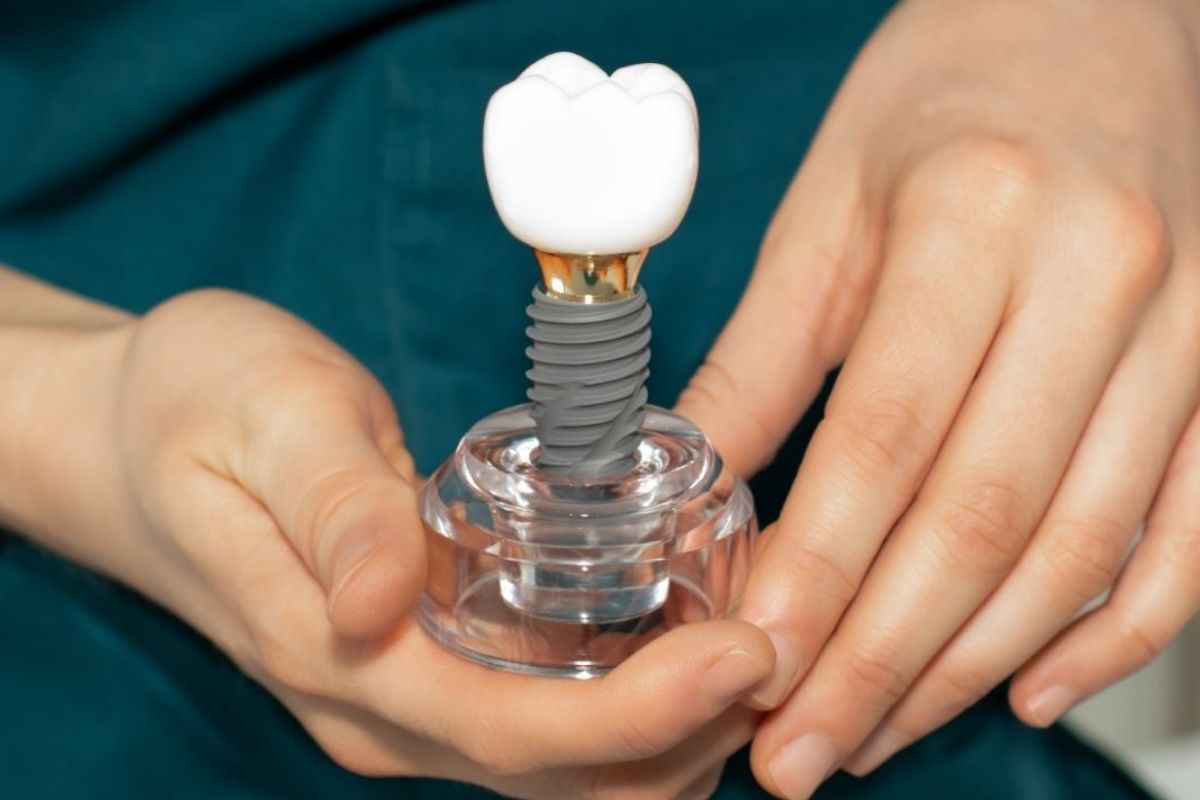
If you just had dental implant surgery, here’s the short answer: stick to cold, soft, and lukewarm foods for the first 24 to 48 hours (think yogurt, mashed potatoes, and smoothies), then slowly move to warm, soft foods over the next one to two weeks as your gums heal. Avoid anything hot, crunchy, spicy, or chewy until your dentist gives you the green light to return to your normal diet.
That’s the quick version. But healing after implant surgery isn’t just about avoiding pain; it’s about giving your body what it needs to actually heal well. What you eat in the days and weeks following your procedure can genuinely speed up recovery or slow it down. Let’s walk through exactly what that looks like, meal by meal and week by week.
What to Eat in the First 24 Hours After Surgery
The first day is the most delicate window. Your gums are swollen, the anesthesia is wearing off, and your body is just beginning to form a blood clot around the implant site. This clot is important. It protects the area and kick-starts healing, so your goal right now is to eat without disturbing it.
Stick to foods that require zero chewing:
- Smoothies (skip the straw; sipping through a straw can dislodge the clot)
- Yogurt or Greek yogurt
- Applesauce
- Mashed potatoes, cooled to room temperature
- Blended soups, not piping hot
- Protein shakes
Keep everything at room temperature or cold. Hot foods and drinks can increase blood flow to the area, which sounds harmless but can actually trigger swelling and bleeding right when you’re trying to calm things down.
Best Soft Foods for the First Week
Once you’re a day or two out, you can widen your options while still keeping things gentle. This is where a lot of patients get bored and start reaching for something crunchy too soon, so it helps to have a real list of soft foods that don’t feel like a punishment.
Good choices during this stretch include:
- Scrambled eggs
- Oatmeal, cooked soft and not too hot
- Cottage cheese
- Well cooked pasta cut into small pieces
- Rice, soft and slightly overcooked
- Mashed bananas or ripe avocado
- Hummus
- Soft, boneless fish
- Pudding or custard
Protein matters more than people realize here. Your body uses protein to repair tissue, so don’t just default to carbs and dairy for a week straight. Eggs, cottage cheese, soft fish, and protein shakes all give your gums the building blocks they need to close up properly.
Foods and Drinks to Avoid After Implant Surgery
This list matters just as much as the “what to eat” list, maybe more. Certain foods can irritate the surgical site, get stuck near the implant, or physically knock things out of place.
Avoid these until your dentist tells you otherwise:
- Crunchy foods like chips, nuts, popcorn, and raw vegetables
- Chewy foods such as steak, bagels, or gummy candy
- Spicy foods, which can irritate healing tissue
- Acidic foods and drinks like citrus, tomatoes, and vinegar-based dressings
- Very hot foods or beverages
- Alcohol, which can interfere with healing and interact with medication
- Carbonated drinks, since the bubbles and pressure can disturb the clot
- Small seeded foods like strawberries or sesame seeds, which tend to get lodged near the surgical site
And a small but often overlooked one: skip using a straw for at least a week. The suction can pull the blood clot loose and lead to a painful complication.
When Can You Start Eating Normal Food Again
Most patients can return to a fairly normal diet within two to three weeks, though this really depends on how your body heals and how many implants were placed. Some people feel ready for firmer foods after ten days, others need closer to a month, especially if bone grafting was part of the procedure.
A good rule of thumb: reintroduce foods gradually rather than jumping straight back to your old habits. Start with slightly firmer soft foods, like well-cooked chicken or steamed vegetables, before working your way up to raw vegetables or anything crunchy. Your gums will usually tell you if you’re moving too fast, so pay attention to any lingering tenderness.
Your dentist will also check the implant site at your follow-up visit and let you know when it’s safe to chew normally on that side of your mouth again.
Tips to Help Your Mouth Heal Faster
Eating the right foods is half the equation. A few extra habits can make a real difference in how smoothly your recovery goes:
- Chew on the opposite side of your mouth from the implant for the first couple of weeks
- Stay hydrated, but sip water rather than gulping it
- Take smaller bites even with soft foods, so you’re not putting pressure on the area
- Avoid smoking, which significantly slows healing and raises the risk of implant failure
- Rinse gently with warm salt water after meals, once your dentist confirms it’s okay, to keep the area clean without disturbing it
- Don’t skip meals just because eating feels inconvenient. Your body needs fuel to heal, so aim for small, frequent meals if bigger ones feel like too much
Ready for a Smooth, Comfortable Recovery?
Healing after implant surgery goes a lot better when you have a dentist who actually walks you through every step, not just the procedure itself. If you’re considering dental implants or you’re already scheduled for surgery and want personalized aftercare guidance, our team is here to help you eat well, heal well, and get back to your normal life with confidence.
Visit our dental clinic in Avondale and talk to the team at Gentle Family Dentist Avondale and Dental Implants. We’ll walk you through exactly what to expect before, during, and after your procedure, so nothing catches you off guard.
Frequently Asked Questions :
1. Can I eat regular food the day after implant surgery?
No, the day after surgery calls for cold or room temperature soft foods only. Regular chewing puts too much pressure on a healing surgical site.
2. Is it okay to drink coffee after dental implant surgery?
Wait at least 24 hours, and even then, let it cool before drinking. Hot beverages can increase swelling, and coffee’s acidity can irritate the area.
3. How long do I need to avoid crunchy foods?
Most dentists recommend waiting at least two weeks, though your specific timeline depends on how your healing is progressing.
4. What should I eat for breakfast after implant surgery?
Scrambled eggs, oatmeal, or a smoothie are all solid choices that are gentle on the mouth while still giving you real nutrition to start the day.
5. Can I lose weight if I can’t eat normally for a few weeks?
It’s possible if you’re not eating enough overall, so focus on calorie- and protein-dense soft foods like smoothies with protein powder, yogurt, and eggs to avoid unintentional weight loss during recovery.
Recent Post
September 21, 2026
Can Diabetes Increase the Risk of Dental Implant Failure?
September 17, 2026
Can You Get Dental Implants Years After Losing a Tooth?
September 11, 2026
What to Eat After Dental Implant Surgery: A Complete Recovery Guide
September 4, 2026
Why Do My Gums Bleed When I Brush?

August 26, 2026
Can You Use Garlic for Tooth Pain? Benefits, Risks, and Alternatives
Categories
Uncategorized (2)