
Blog
Dental Health
Why Your Teeth Change After 60 (And What to Do About It)
November 10, 2026
Dental Health

Understanding why your teeth change after 60 — and what to do about it in Avondale — is one of the most important steps seniors can take for their health. Many patients are surprised to learn how dramatically oral health shifts after age 60. Dr. Kimball Morejon at Gentle Family Dentist Avondale sees these changes every day. The good news is that most of them are very manageable with the right care.
How Aging Affects Your Oral Health in Avondale
After age 60, your mouth goes through real physical changes. These shifts happen gradually, so many people do not notice them right away. Understanding what is happening helps you stay ahead of bigger problems.
Here are some of the most common age-related oral changes:
- Gum recession: Gums naturally pull back over time, exposing sensitive root surfaces.
- Dry mouth (xerostomia): Many common medications reduce saliva flow significantly.
- Root decay: Exposed roots decay much faster than enamel-covered tooth surfaces.
- Tooth wear: Decades of chewing gradually flatten and weaken your teeth.
- Bone loss: Jaw density decreases with age, especially after tooth loss.
Each of these issues connects directly to larger health concerns. Gum disease has been linked to heart disease and diabetes. Dry mouth dramatically increases your cavity risk. Catching these changes early at your Avondale dental visits makes a significant difference.
Dry Mouth and Medications — A Hidden Risk After 60
Dry mouth is one of the most underestimated dental concerns for older adults. Over 500 common medications list dry mouth as a side effect. Blood pressure drugs, antidepressants, and antihistamines are frequent culprits.
Saliva is your mouth’s natural defense system. It neutralizes acids, washes away bacteria, and helps remineralize enamel. Without enough saliva, tooth decay accelerates rapidly. Root surfaces become especially vulnerable when exposed by receding gums.
Dr. Kimball Morejon recommends these strategies to manage dry mouth effectively:
- Sip water consistently throughout the day.
- Chew sugar-free gum with xylitol to stimulate saliva flow.
- Use a fluoride rinse daily to protect exposed root surfaces.
- Ask your doctor if any medications can be adjusted or substituted.
- Avoid alcohol-based mouthwashes, which worsen dryness.
Dry mouth can also disrupt sleep and worsen snoring. In some cases, it connects to a condition called Obstructive Sleep Apnea Avondale patients should discuss with their dental provider. Dr. Morejon can screen for sleep-related concerns during your regular exam.
Gum Recession and Root Decay — What Avondale Seniors Need to Know
Gum recession is not just an aesthetic concern. When gums pull back, the root surfaces beneath become exposed. Roots do not have the same hard enamel coating that crowns do. They are significantly more vulnerable to decay and sensitivity.
Root cavities develop quickly and can spread deep toward the nerve. Many seniors are shocked to learn they have cavities despite brushing regularly. The problem is often technique, not effort. Soft-bristled brushes and gentle circular motions protect receding gum tissue better.
Periodontal disease is another major concern for patients over 60. Bacteria accumulate below the gum line and slowly destroy bone and tissue. Left untreated, gum disease is the leading cause of tooth loss in older adults. Regular professional cleanings and periodontal care are essential to keep it under control.
If you experience sudden tooth pain, a broken tooth, or a lost filling, do not wait. Prompt treatment prevents small problems from becoming large ones. Avondale patients can access Emergency Dental Care Avondale through Gentle Family Dentist when urgent issues arise.
Dentures vs. Dental Implants — Choosing the Right Solution After 60
Tooth loss becomes more common after age 60. How you replace missing teeth matters enormously for your long-term health and quality of life. Both dentures and dental implants are viable options — but they are very different in function and longevity.
Traditional dentures are removable and rest on the gum surface. They are a familiar, accessible solution for many seniors. However, they do not prevent bone loss in the jaw. Over time, bone resorption causes dentures to fit poorly and require frequent adjustments.
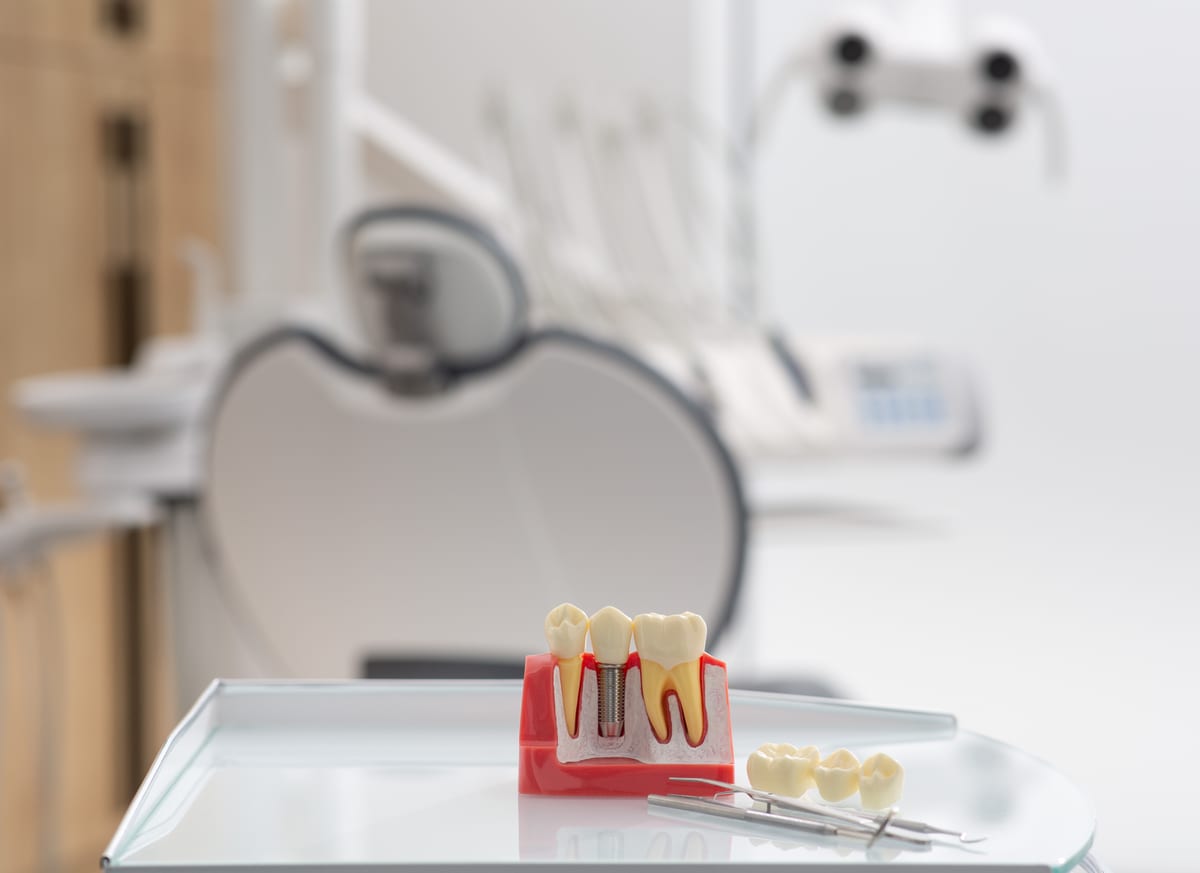
Dental implants work differently. A titanium post is placed into the jawbone, functioning like a natural tooth root. This stimulates the bone and prevents deterioration. Implants look, feel, and function like real teeth. They do not slip, do not require adhesives, and can last decades with proper care.
Many Avondale patients over 60 are excellent implant candidates. Good general health and adequate bone density are the primary requirements. Dr. Kimball Morejon evaluates each patient individually. Even patients with some bone loss may qualify with bone grafting procedures performed beforehand.
Preventive Care Strategies for Patients Over 60 in Avondale
Prevention remains the most powerful tool available to seniors. Regular dental visits allow Dr. Morejon to catch problems early — before they require costly or complex treatment. Adults over 60 typically benefit from more frequent cleanings, especially those managing dry mouth or gum disease.
At-home care habits matter just as much as in-office visits. Fluoride toothpaste, electric toothbrushes, and water flossers are all particularly helpful for older patients. Nutrition also plays a role — calcium-rich foods and vitamin D support strong bones and healthy teeth.
Full-mouth restoration is available for patients whose teeth have sustained significant cumulative damage. This comprehensive approach rebuilds function and appearance simultaneously. It is designed for patients who want to eat comfortably, smile confidently, and protect their remaining natural teeth for as long as possible.
Frequently Asked Questions
Why do teeth become more sensitive after age 60?
Gum recession exposes root surfaces that lack protective enamel. These exposed areas respond strongly to temperature, sweets, and pressure. A dentist can recommend desensitizing toothpastes, fluoride treatments, or bonding to reduce discomfort significantly.
Can dental implants work for seniors with bone loss?
Yes, in many cases. Bone grafting can rebuild jaw density before implant placement. Dr. Kimball Morejon evaluates each patient’s bone structure individually. Age alone is not a disqualifying factor for dental implants.
How does dry mouth increase cavity risk after 60?
Saliva neutralizes acids and washes away harmful bacteria. Without enough saliva, acid sits on tooth surfaces longer and damages enamel and roots. Staying hydrated, using fluoride rinses, and adjusting medications can all help reduce this risk.
How often should seniors visit the dentist in Avondale?
Most patients over 60 benefit from visits every three to four months rather than every six. More frequent cleanings help manage gum disease, monitor root surfaces, and catch decay early. Dr. Morejon will recommend a schedule based on your individual needs.
What is the difference between periodontal care and a regular cleaning?
A regular cleaning focuses on surfaces above the gum line. Periodontal care — also called scaling and root planing — targets bacteria and buildup below the gum line. It is used to treat active gum disease and prevent further bone loss.
Your oral health after 60 deserves the same attention as any other aspect of your wellbeing. Dr. Kimball Morejon and the team at Gentle Family Dentist Avondale are here to guide you through every change with compassion and expertise. Book Now to schedule your appointment with our team.
Recent Post

November 11, 2026
What Causes a Bad Taste in the Mouth?
November 10, 2026
Dental Implants Last 25+ Years — Here’s What Really Matters
November 10, 2026
Why Your Teeth Change After 60 (And What to Do About It)

November 4, 2026
When Can You Smoke After Dental Implant Surgery?
October 28, 2026
Swollen Gum Around a Wisdom Tooth: What It Means
Categories
Dental Health (3)