
Blog
Dental Health
Dental Implants Last 25+ Years — Here’s What Really Matters
November 10, 2026
Dental Health
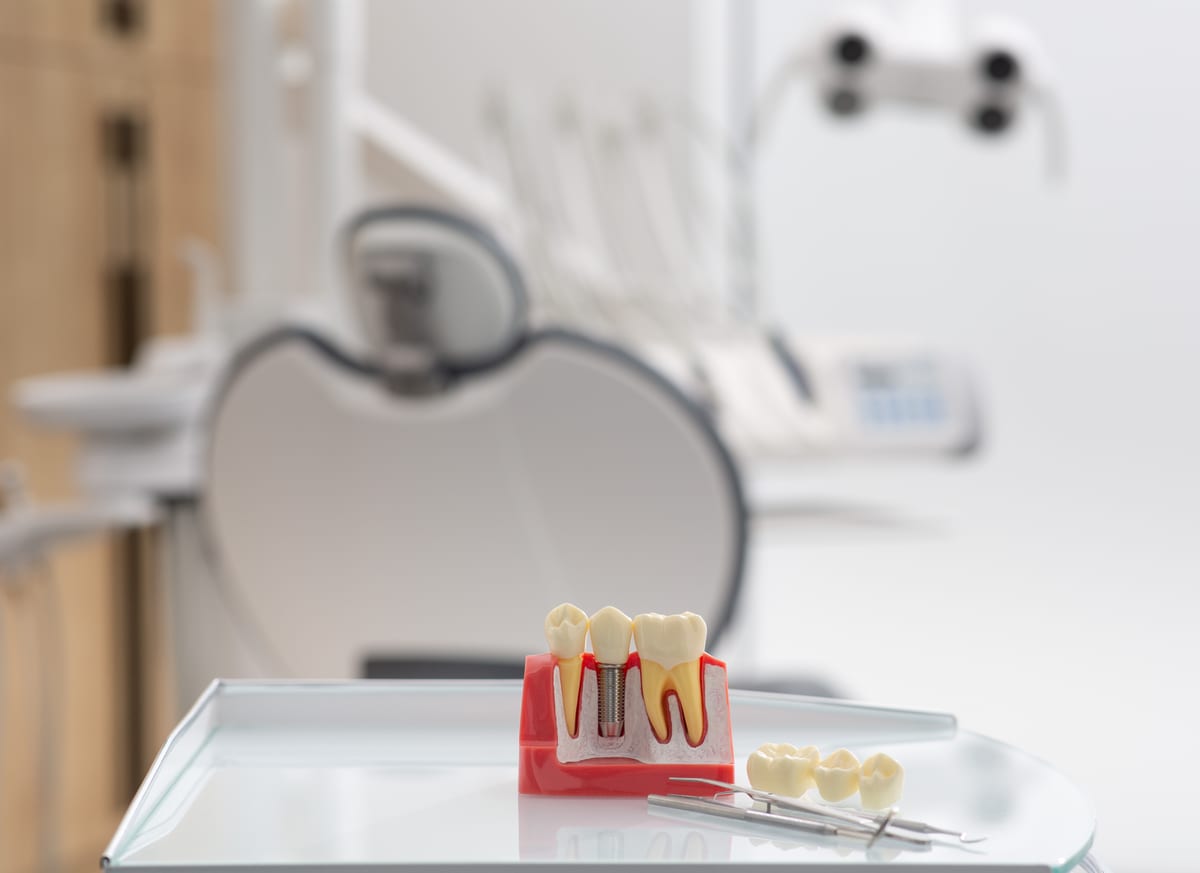
Many Goodyear residents ask the same question before committing to dental implants: How long will they actually last? The honest answer is that dental implants last 25+ years — and here’s what really matters in Goodyear when it comes to protecting that investment. With the right care and the right provider, implants can last a lifetime. Understanding what supports or shortens that lifespan puts you in control of your outcome.
Why Dental Implants Are Built to Last in Goodyear
Dental implants are not like other tooth replacements. They fuse directly with your jawbone through a process called osseointegration. This biological bond is what gives implants their remarkable durability. No other tooth replacement replicates natural tooth function as closely.
The titanium post used in most implants is biocompatible. Your body does not reject it — it accepts it as part of your anatomy. Studies consistently show that implant survival rates exceed 95% at the 10-year mark. With proper maintenance, many patients keep their implants for 25 to 30 years or more.
Goodyear patients benefit from dry desert air that reduces certain oral bacteria. However, that same climate demands excellent hydration habits. Dry mouth is more common in Arizona’s heat. Saliva protects teeth and gums, so staying hydrated directly supports your implant’s longevity.
What Really Matters: Factors That Extend Implant Lifespan
Not all implants age the same way. Several controllable factors dramatically influence how long yours will last. Dr. Kimball Morejon educates every patient on these variables before and after placement. Knowledge is your best long-term tool.
Here are the key factors that help dental implants last 25+ years:
- Consistent oral hygiene — Brush twice daily and floss around the implant every day
- Regular professional cleanings — Visit your dentist at least twice per year for monitoring
- Healthy gum tissue — Periodontal health directly supports the bone around your implant
- Avoiding tobacco — Smoking is the single biggest risk factor for implant failure
- Managing grinding (bruxism) — A custom night guard protects the implant crown from excess force
- Stable systemic health — Conditions like diabetes, when well-managed, have minimal impact on implants
Each of these factors is within your control. Your daily habits matter far more than the implant material itself. That is an empowering fact for anyone considering this procedure.
What Can Shorten an Implant’s Life — And How to Avoid It
Understanding the risks is just as important as knowing the benefits. Several common habits quietly undermine implant stability over time. Catching these early makes a major difference. Dr. Morejon’s team monitors for warning signs at every visit.
The most damaging threats to implant longevity include:
- Peri-implantitis — A gum infection around the implant that erodes bone if left untreated
- Smoking or vaping — Restricts blood flow and slows healing after placement
- Skipping dental visits — Problems caught early are far easier to treat
- Chewing hard objects — Ice, pens, and hard candy can fracture the implant crown
- Uncontrolled bone loss — Without adequate bone density, the implant loses its anchor
Peri-implantitis deserves special attention. It behaves similarly to gum disease but targets the tissue around the implant post. Early-stage peri-implantitis is treatable with professional cleaning and improved home care. Advanced cases may require surgical intervention.
If you ever experience swelling, pain, or looseness around an implant, seek care quickly. Our Emergency Dental Care Goodyear services are available when you need urgent support. Acting fast protects the implant and the surrounding bone.
The Role of Bone Health and Periodontal Care in Implant Success
Your implant is only as strong as the bone supporting it. Jawbone density is essential for a secure and lasting implant. This is why Dr. Morejon conducts a thorough bone assessment before every implant procedure. Patients with bone loss may need a graft before placement.
Gum health is equally critical. Healthy gum tissue seals the implant and blocks bacteria from reaching the post. Periodontal disease is the leading cause of bone loss around natural teeth — and the same applies to implants. Protecting your gums means protecting your implant’s foundation.
Patients with sleep-related breathing issues should also be aware of their overall oral health risks. Conditions like Obstructive Sleep Apnea Goodyear can contribute to dry mouth and increased inflammation — both of which affect implant health. Addressing systemic health comprehensively gives your implant the best possible environment to thrive.
What to Expect From the Implant Placement Process at Gentle Family Dentist
Understanding the process helps set realistic expectations for longevity. Implants placed correctly from the start are far more likely to last 25+ years. Dr. Morejon follows a precise, evidence-based protocol at every stage. Precision at placement pays dividends for decades.
Here is a general overview of the implant journey:
- Consultation and imaging — 3D scans assess bone density and plan ideal implant placement
- Bone grafting (if needed) — Rebuilds the foundation before implant placement
- Implant post placement — The titanium post is surgically placed into the jawbone
- Osseointegration period — The bone fuses with the post over 3 to 6 months
- Abutment and crown placement — The visible tooth portion is attached once healing is complete
- Ongoing maintenance — Regular checkups ensure long-term implant health
Each step is designed with longevity in mind. Cutting corners at any stage increases the risk of early failure. Gentle Family Dentist Avondale and Dental Implants takes pride in thorough, patient-centered care throughout every phase.
Making Your Investment Last: Practical Tips for Goodyear Patients
Living in Goodyear’s warm climate creates unique considerations for implant care. Heat increases dehydration risk, and dry mouth accelerates bacterial growth. Drinking water throughout the day is one of the simplest ways to protect your implant. Keep a water bottle nearby, especially during outdoor activities.
Beyond hydration, your daily routine shapes your implant’s future. Use a soft-bristle toothbrush to clean around the implant crown gently. Interdental brushes and water flossers reach areas that standard floss sometimes misses. These tools are especially helpful around implant restorations.
Never skip your biannual cleaning appointments. Professional tools remove calculus that home care cannot address. Your dental team also checks the implant’s stability and examines surrounding tissue. Early detection of any issue is the fastest path to a simple solution.
Conclusion: Your Implant Can Last a Lifetime With the Right Support
Dental implants that last 25+ years are not a lucky accident — they are the result of skilled placement, proactive care, and patient commitment. Goodyear residents who prioritize their oral health give their implants every advantage. Dr. Kimball Morejon and the team at Gentle Family Dentist Avondale and Dental Implants are here to guide you through every stage of that journey. Book Now to schedule your appointment with our team.
Frequently Asked Questions
How long do dental implants really last?
Dental implants can last 25 years or more with proper care. Many patients keep their implants for life. The titanium post itself rarely fails — most issues involve the crown or surrounding gum tissue, both of which can be addressed without replacing the entire implant.
What is the biggest reason dental implants fail?
Peri-implantitis — an infection of the gum and bone around the implant — is the leading cause of implant failure. Smoking is the top behavioral risk factor. Both issues are preventable with good oral hygiene and regular professional care.
Can I get dental implants if I have bone loss?
Yes, in many cases. Bone grafting can rebuild lost bone density before implant placement. Dr. Kimball Morejon evaluates each patient individually using 3D imaging. Many patients who initially lack sufficient bone are still excellent implant candidates after grafting.
Do dental implants require special cleaning tools?
Not necessarily special, but the right tools help. A soft-bristle toothbrush, interdental brushes, and a water flosser are highly effective for implant maintenance. Standard floss also works well when used correctly around the implant crown and abutment area.
How often should I see the dentist after getting an implant?
Most patients should visit every six months for professional cleanings and implant monitoring. Some patients with a history of gum disease may benefit from more frequent visits. Your dentist will recommend a schedule based on your individual oral health needs.
Recent Post

November 11, 2026
What Causes a Bad Taste in the Mouth?
November 10, 2026
Dental Implants Last 25+ Years — Here’s What Really Matters

November 10, 2026
Why Your Teeth Change After 60 (And What to Do About It)

November 4, 2026
When Can You Smoke After Dental Implant Surgery?

October 28, 2026
Swollen Gum Around a Wisdom Tooth: What It Means
Categories
Dental Health (3)