
Blog
Dental Implant
A Comprehensive Guide to Dental Implants: Understanding the Types & Benefits
August 14, 2025
Dental Implant
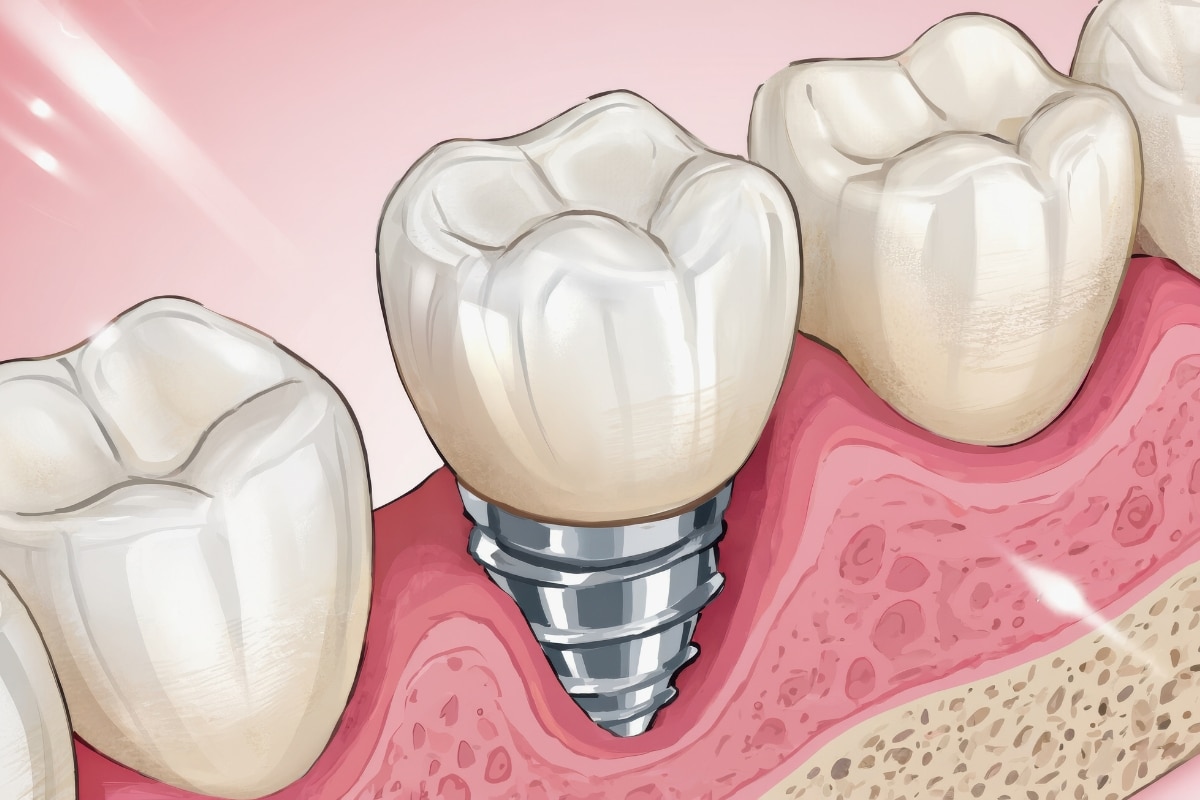
Are you tired of having gaps in your smile or dealing with uncomfortable dentures? Dental implants may be the solution you’ve been searching for! This comprehensive guide will break down everything you need to know about dental implants, from the different types available to their many benefits. Say goodbye to self-consciousness and hello to a confident, healthy smile. Let’s dive in!
What are dental implants?
Dental implants are a permanent replacement for missing teeth that feel and function like natural teeth. They consist of small titanium posts that are placed into the jawbone, where they fuse with the bone over time to create a sturdy foundation for artificial teeth.
The procedure involves an initial consultation with a dental specialist who will evaluate your oral health and determine if you’re a suitable candidate for dental implants. If you are, the next step is implant placement surgery, which typically involves local anesthesia.
After the post has been implanted, it can take several months for it to fully integrate with your jawbone. Once this process is complete, an abutment that protrudes from the gum line is attached to hold a prosthetic tooth or crown securely in place.
Dental implants offer numerous benefits over traditional dentures or bridges. Unlike those options, dental implants don’t slip or shift out of place while eating or speaking, making them more comfortable and convenient. They also help maintain proper jaw alignment by keeping surrounding teeth from shifting position over time.
Dental implants provide patients with an effective way to restore their smile’s natural look and function without having to worry about ongoing maintenance or replacement costs associated with other types of restorative dentistry solutions.
The different types of dental implants
When it comes to dental implants, there are different types available depending on the specific needs of the patient. The most common types are endosteal and subperiosteal implants.
Endosteal implants are placed directly into the jawbone through a surgical procedure. This type is recommended for patients with healthy jawbones who can withstand the pressure of chewing and biting.
Subperiosteal implants, on the other hand, are placed under the gum tissue but above or on top of the jawbone. This type is ideal for patients with shallow jawbones or those who cannot undergo bone augmentation procedures.
Another type of implant is called a zygomatic implant, which involves placing longer screws in parts of your cheekbone that support teeth when you have limited bone availability in your upper jaw.
Mini dental implants are a newer option that involves smaller screws implanted into the gums instead of an incision made into your mouth’s tissues like regular-sized dental implant surgery would require. These mini-implants work great as temporary solutions or short-term solutions where cost savings might be needed.
It’s important to consult with a dentist to choose which type of implant is best suited for each individual patient based on their unique circumstances and oral health condition.
The benefits of dental implants
Dental implants are becoming a popular solution for those who have lost one or more teeth. There are several benefits to getting dental implants over other tooth replacement options.
Firstly, dental implants look and feel like natural teeth. They are designed to fuse with the jawbone, which helps them function just like your own teeth would. This means that you can eat, speak and smile without worrying about any discomfort or embarrassment caused by missing teeth.
Secondly, dental implants provide long-lasting results. With proper care and maintenance, they can last for many years – even up to a lifetime in some cases! This makes them a cost-effective option compared to other treatments that may need frequent replacements or repairs.
Another benefit of dental implants is their ability to preserve bone density in the jaw area. When teeth are missing, the surrounding bone tissue begins to deteriorate due to lack of stimulation from chewing and biting forces. Dental implants act as artificial tooth roots that stimulate the jawbone and prevent further bone loss.
Dental implant treatment does not affect adjacent healthy teeth unlike bridges where it needs support from neighboring healthy ones . Instead of grinding down nearby teeth as with traditional bridgeworks , only one single implant post is placed directly into the gap left by each missing tooth
Overall , it’s no wonder why so many people choose dental implants over other tooth replacement options given the various advantages mentioned above .
How to choose the right dental implant
Choosing the right dental implant can be a complex decision, and it’s important to work with your dentist or oral surgeon to determine what will work best for you. One of the first considerations is whether you need an endosteal or subperiosteal implant. Endosteal implants are placed directly into the jawbone and tend to be more common. Subperiosteal implants are placed on top of the jawbone but underneath the gum tissue.
Another factor to consider is size – both in terms of length and diameter. Implants come in different sizes depending on where they will be placed in your mouth, so it’s essential that your dentist takes accurate measurements and works with you to determine which size will provide optimal support.
Material choice is also crucial when choosing a dental implant. Typically, dental implants are made from titanium because it’s strong, lightweight, biocompatible and resistant to corrosion. However, there are other materials available such as zirconia that may be better suited for some patients.
Dental implants are a great option for those who have lost one or more teeth. They offer numerous benefits like improved oral health, enhanced speech and appearance, and increased self-confidence. However, it’s crucial to choose the right type of implant that suits your needs and budget.
By understanding the different types of dental implants available and their unique features, you can make an informed decision about which one is best for you. Additionally, choosing a qualified dentist with extensive experience in dental implant procedures is essential to ensure successful outcomes.
Remember that dental implants require proper care and maintenance to last long-term. So be sure to follow your dentist’s instructions on how to take care of them at home.
In summary, if you’re missing one or more teeth and want a permanent solution that looks and feels natural, consider getting dental implants. With proper selection, placement, care and maintenance they can give you back your smile!
Recent Post

September 21, 2026
Can Diabetes Increase the Risk of Dental Implant Failure?
September 17, 2026
Can You Get Dental Implants Years After Losing a Tooth?
September 11, 2026
What to Eat After Dental Implant Surgery: A Complete Recovery Guide

September 4, 2026
Why Do My Gums Bleed When I Brush?

August 26, 2026
Can You Use Garlic for Tooth Pain? Benefits, Risks, and Alternatives
Categories
Dental Implant (14)