
Blog
Cosmetic Dentistry
Can Cosmetic Dentistry Close Gaps Between Teeth?
July 14, 2026
Cosmetic Dentistry
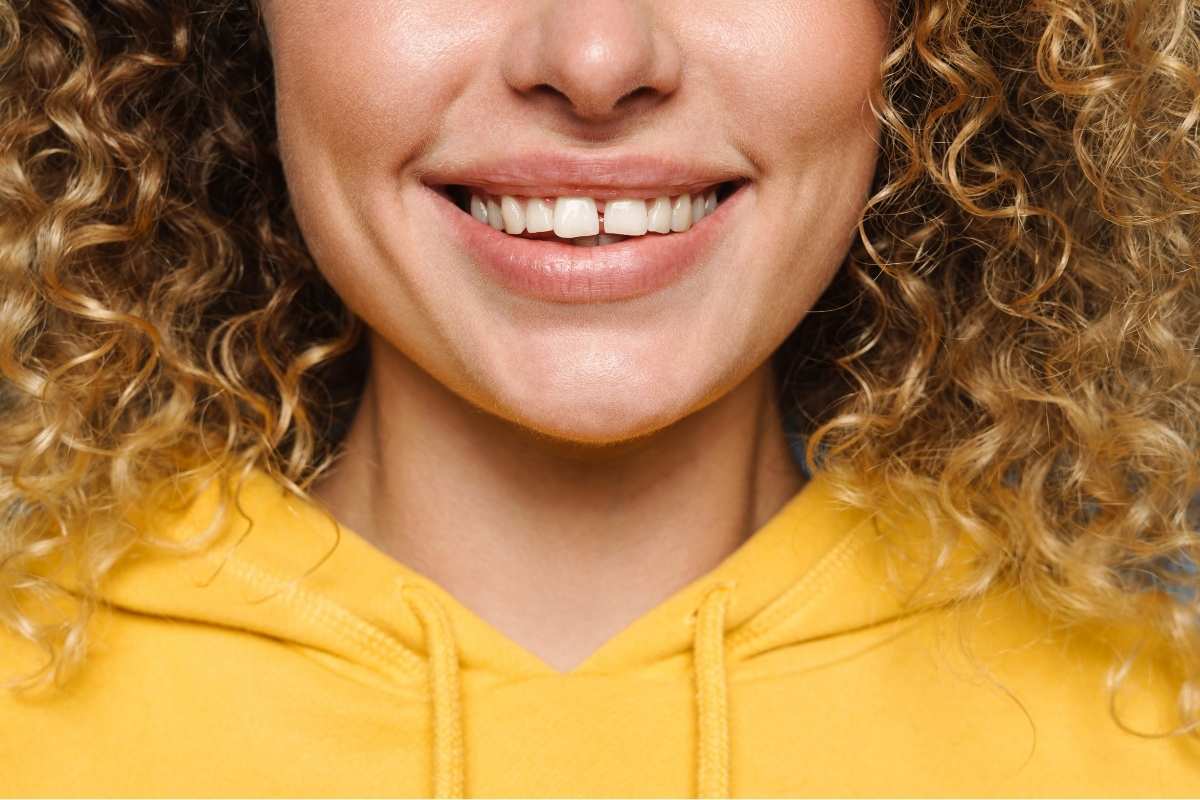
Yes, small to moderate gaps between teeth can often be closed with modern dental solutions, but the right option depends on the size of the space, your bite, and the overall health of your teeth and gums. Some gaps can be improved with bonding or veneers, while others may require orthodontic treatment for the best long-term result. A dental evaluation is the best way to determine which approach fits your smile.
Why Do Gaps Between Teeth Happen?
Spaces between teeth can develop for several reasons. Some people naturally have extra room in their jaw, while others have teeth that are smaller than average. Gaps may also appear because of missing teeth, gum disease, thumb sucking during childhood, or changes that occur as teeth shift over time.
Understanding the cause of the gap is just as important as treating it. Choosing a solution without identifying the reason behind the spacing may not provide lasting results.
Which Treatments Can Help Close Gaps?
Several options are available depending on your goals and oral health. During a consultation, your dentist can recommend the most suitable cosmetic dental treatment after evaluating your smile.
Dental Bonding
Dental bonding uses a tooth colored resin to reshape the teeth and reduce small spaces. It is often recommended for minor gaps because it can usually be completed in one visit.
Bonding is a good option when the gap is small, and the surrounding teeth are healthy.
Veneers
Porcelain veneers are thin custom shells that cover the front surface of teeth. They can improve spacing while also enhancing the shape, size, and color of your smile.
Veneers are ideal for people who want to address multiple cosmetic concerns at the same time.
Orthodontic Treatment
When a gap is larger or caused by tooth alignment, moving the teeth into the correct position may be the better choice. This approach helps improve both appearance and function.
Straightening teeth rather than simply covering the gap may provide a healthier long-term outcome.
Is Every Gap Meant to Be Closed?
Not necessarily. Some small gaps are harmless and part of a person’s natural smile. Treatment is generally considered when spacing affects appearance, chewing, speech, or oral health.
If a gap develops suddenly, especially in adulthood, it should be evaluated. New spacing can sometimes be a sign of gum disease or other dental concerns that need attention first.
How Do You Choose the Right Option?
There is no single solution for everyone. Your dentist will consider factors such as:
The size of the gap
The health of your gums
Your bite and tooth alignment
Your long-term goals
The condition of the surrounding teeth
A personalized treatment plan often delivers the most natural-looking and lasting results.
Can Results Last?
Yes, with proper care, many gap-closing treatments can provide long-lasting results. Good oral hygiene, regular dental visits, and avoiding habits that place excessive pressure on your teeth all help protect your smile.
If tooth movement contributed to the gap, wearing any recommended retainers after orthodontic treatment can help maintain the results.
If you’re considering closing gaps between your teeth, a professional evaluation can help you understand your options and choose the treatment that best fits your smile.
Ready to Take the Next Step?
At Gentle Family Dentist Avondale and Dental Implants, we provide personalized care focused on your goals and long-term oral health. Visit our dental office in Avondale today and discover how a confident smile can start with the right plan.
Frequently Asked Questions :
1. Can small gaps be fixed without braces?
Yes. Small gaps are often treated with bonding or veneers, depending on the condition of your teeth and your desired result.
2. Are gap-closing treatments permanent?
Many treatments are long-lasting, but their lifespan depends on the option chosen, your oral habits, and regular dental care.
3. Will closing a gap look natural?
Yes. When planned carefully, the results are designed to match the size, shape, and appearance of your natural teeth.
4. Does closing a gap improve oral health?
In some cases, yes. Reducing certain spaces may make teeth easier to clean and improve bite function, depending on the cause of the gap.
5. Should I treat a new gap that appeared recently?
Yes. A new gap should always be examined because it may indicate an underlying dental or gum problem that requires treatment.
Recent Post

September 21, 2026
Can Diabetes Increase the Risk of Dental Implant Failure?

September 17, 2026
Can You Get Dental Implants Years After Losing a Tooth?
September 11, 2026
What to Eat After Dental Implant Surgery: A Complete Recovery Guide

September 4, 2026
Why Do My Gums Bleed When I Brush?

August 26, 2026
Can You Use Garlic for Tooth Pain? Benefits, Risks, and Alternatives
Categories
Cosmetic Dentistry (38)