
Blog
Dental Implant
Signs of Dental Implant Failure: What You Should Never Ignore
June 26, 2026
Dental Implant
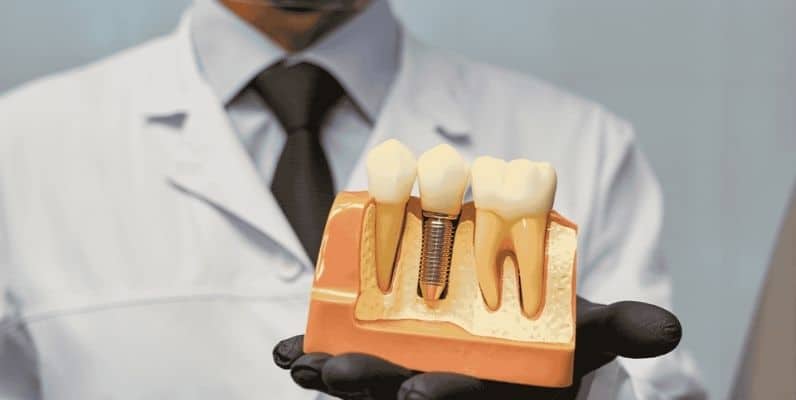
Dental implants are designed to be a long-lasting solution for missing teeth, but like any dental treatment, they are not completely free from complications. While most patients enjoy excellent results, it is important to recognize when something may not be healing or functioning as it should.
Knowing the warning signs early can help prevent more serious issues and improve the chances of saving the implant. If you notice any of the symptoms below, it is best to schedule a dental evaluation as soon as possible.
Persistent Pain That Does Not Improve
Some discomfort is normal after the procedure, especially during the first few days. However, pain that continues for weeks, becomes more intense, or suddenly returns after healing should never be ignored.
Persistent pain may indicate infection, excessive pressure on the implant, nerve irritation, or problems with the surrounding bone. Any unusual discomfort that interferes with daily activities deserves professional attention.
Swollen or Inflamed Gums
Mild swelling is expected during the initial recovery period. The concern begins when swelling remains for an extended time or appears months after treatment.
Red, tender, or puffy gum tissue around the implant can be a sign of infection or inflammation. Left untreated, these conditions can affect the stability of the implant and the health of nearby tissues.
An Implant That Feels Loose
A healthy implant should feel secure and function much like a natural tooth. If you notice any movement when chewing, speaking, or touching the area, it is important to have it checked immediately.
A loose implant may suggest that the bone has not fused properly or that bone loss has occurred around the implant. Early intervention can often prevent further complications.
Difficulty Chewing or Biting
Eating should become easier after healing is complete. If you experience discomfort when chewing or notice that your bite feels different, it could indicate an underlying problem.
Pressure during biting should feel balanced and comfortable. Any ongoing discomfort should be evaluated before it leads to additional stress on the implant or surrounding teeth.
Gum Recession Around the Implant
Healthy gums should fit snugly around the implant restoration. If the gum tissue begins to pull away, exposing more of the implant structure, it may be a warning sign.
Gum recession can make the area more vulnerable to bacteria and may affect both appearance and function. Prompt treatment can help protect the surrounding tissues.
Bleeding or Discharge
Occasional minor bleeding after surgery is normal. However, bleeding that occurs long after healing, or the presence of pus around the implant, is not.
These symptoms often point to infection and should be addressed quickly. Ignoring them may increase the risk of implant complications and damage to the surrounding bone.
Bad Breath That Will Not Go Away
Persistent bad breath or an unpleasant taste in your mouth can sometimes indicate bacterial buildup or infection around the implant site.
If brushing, flossing, and mouthwash do not resolve the issue, it is worth having the area professionally examined to identify the cause.
Why Early Action Matters
Many implant complications start with subtle symptoms. What seems like a minor issue today can become a more serious problem if left untreated. Regular dental visits and paying attention to changes in your mouth can help protect your investment and oral health.
If you have concerns about your implant or are exploring options for dental implant treatment and tooth replacement solutions, seeking professional guidance early can make a significant difference in the outcome.
Protect Your Oral Health Before Small Problems Become Bigger
If you notice any warning signs discussed above, do not wait for the discomfort to worsen. The experienced team at Gentle Family Dentist Avondale and Dental Implants can evaluate your concerns, identify the cause, and recommend the most appropriate solution.
Whether you need an assessment of an existing implant or guidance on restoring your oral health, our team in Avondale is here to help. Contact Gentle Family Dentist Avondale and Dental Implants today to schedule your visit and take the next step toward a healthier, more confident smile in Avondale.
Frequently Asked Questions :
How common is dental implant failure?
Implant failure is relatively uncommon, especially when patients maintain good oral hygiene and attend regular dental checkups.
Can a failed implant be replaced?
In many cases, yes. After addressing the underlying issue and allowing proper healing, replacement may be possible.
What is the most common cause of implant failure?
Infection around the implant, poor bone support, and excessive pressure on the implant are among the most common causes.
When should I contact a dentist about implant concerns?
You should contact a dentist if you experience ongoing pain, swelling, bleeding, looseness, or any unusual changes around the implant area.
Can implant problems develop years later?
Yes. Even a well-functioning implant can develop complications over time if gum disease, bone loss, or other oral health issues occur.
Recent Post

September 21, 2026
Can Diabetes Increase the Risk of Dental Implant Failure?
September 17, 2026
Can You Get Dental Implants Years After Losing a Tooth?
September 11, 2026
What to Eat After Dental Implant Surgery: A Complete Recovery Guide

September 4, 2026
Why Do My Gums Bleed When I Brush?

August 26, 2026
Can You Use Garlic for Tooth Pain? Benefits, Risks, and Alternatives
Categories
Dental Implant (14)