
Blog
General Dentistry
How Long Do Dental Implants Last?
November 12, 2024
General Dentistry
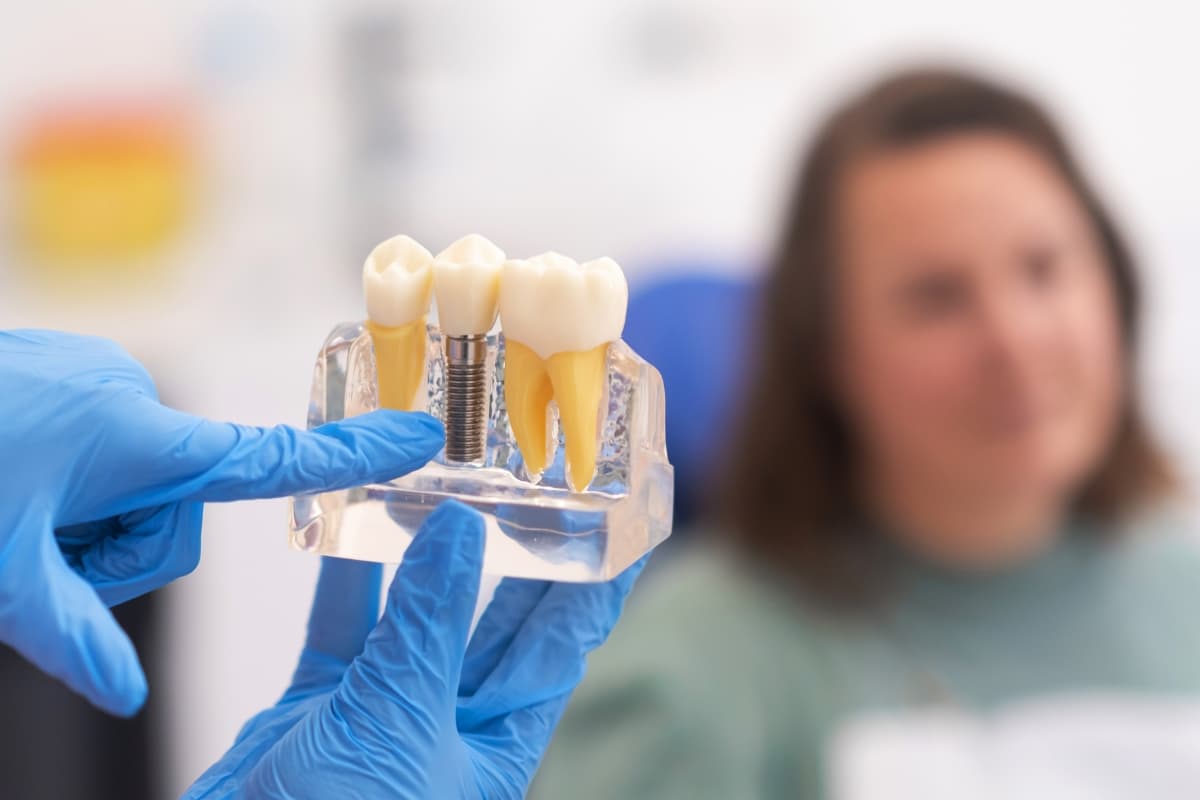
Dental implants are a popular and reliable solution for replacing missing teeth. If you’re considering getting implants, one of the most common questions you may have is, “How long do dental implants last?” The truth is, dental implants can last a lifetime with proper care, but several factors influence their longevity. In this article, we will explore how long dental implants last, factors that affect their lifespan, and tips for maintaining them.
Understanding Dental Implants
What Are Dental Implants?
Dental implants are artificial tooth roots that a dentist places into your jawbone to support replacement teeth or bridges. They are usually made of titanium, a metal that integrates well with bone tissue. The procedure involves a few steps, including the surgical placement of the implant, followed by a healing period where the bone fuses with the implant, and then the attachment of the crown.
Why Are Dental Implants a Popular Choice?
One of the reasons dental implants have become so popular is their ability to mimic the look and feel of natural teeth. Unlike dentures or bridges, which may need to be replaced over time, dental implants are a more permanent solution that provides durability, stability, and a natural appearance. Additionally, they can help preserve the bone structure of your jaw, preventing bone loss that often occurs with missing teeth.
How Long Do Dental Implants Last?
General Lifespan of Dental Implants
On average, dental implants can last anywhere from 20 to 25 years, and in some cases, they can even last a lifetime. However, the longevity of your implants depends on various factors, including your overall health, oral hygiene habits, and lifestyle choices. With the right care, it’s not uncommon for dental implants to outlast other forms of tooth replacement.
Factors That Affect the Longevity of Dental Implants
1. Oral Hygiene
Good oral hygiene is essential to ensure the longevity of your dental implants. Brushing and flossing regularly and visiting your dentist in Avondale for routine check-ups can help keep your implants in good condition. Neglecting your dental hygiene can lead to infections or gum disease, which can impact the health of the implant.
2. Bone Health
The health of your jawbone plays a significant role in the success and durability of dental implants. Implants fuse with the bone in a process known as osseointegration. If your jawbone is too weak or has experienced significant bone loss, the implant may not integrate properly, potentially leading to failure. A dentist in Avondale can assess your bone health and may recommend bone grafting if necessary.
3. Smoking and Alcohol Use
Smoking and excessive alcohol consumption can negatively impact the healing process and the long-term success of dental implants. Smoking, in particular, reduces blood flow to the gums and can increase the risk of implant failure. If you’re considering dental implants, it’s best to quit smoking and limit alcohol consumption to enhance the chances of success.
4. Overall Health and Medical Conditions
Certain medical conditions, such as diabetes, may affect how well your body heals after dental implant surgery. If you have a medical condition, it’s important to discuss it with your dentist in Avondale before proceeding with implants. They may need to take extra precautions or adjust the treatment plan to ensure optimal results.
5. Diet and Nutrition
Eating a balanced diet is essential for maintaining healthy teeth and gums, as well as the integrity of your dental implants. A poor diet can lead to gum disease, which could compromise the health of your implants. Ensure that you’re getting enough vitamins and minerals, particularly calcium and vitamin D, to support your oral health.
Can Dental Implants Fail?
While dental implants are designed to last for many years, they can fail in some cases. Implant failure can occur if the implant does not fuse properly with the bone, if infection develops, or if the implant becomes damaged due to excessive wear and tear. Regular visits to your local dental office are essential to ensure that your implants remain in good condition.
When Do Dental Implants Need to Be Replaced?
Although dental implants themselves are designed to last a lifetime, the crown placed on top of the implant may need to be replaced after 10 to 15 years. The crown can wear down over time due to normal use, and it may become chipped, cracked, or discolored. When this happens, your dentist in Avondale can replace the crown with a new one to maintain the function and appearance of your implant.
Tips for Maintaining Your Dental Implants
Taking proper care of your dental implants can help extend their lifespan and prevent complications. Here are some tips to help you maintain your implants:
1. Brush and Floss Daily
Brush your implants with a soft-bristled toothbrush and fluoride toothpaste to remove plaque and bacteria. Flossing daily is also crucial to clean between the implants and prevent gum disease.
2. Visit Your Dentist Regularly
Even though dental implants are low-maintenance, regular visits to your local dental office are important to ensure everything is in good condition. Your dentist will check for any signs of infection or issues with the implant, and they can clean around the implant to keep it free of bacteria.
3. Avoid Hard or Sticky Foods
While dental implants are durable, they are not invincible. Avoid biting down on hard objects like ice or sticky foods that could damage the implant or crown.
4. Quit Smoking
Smoking can increase the risk of implant failure and cause other oral health issues. Quitting smoking can improve the chances of long-term success for your implants.
5. Protect Your Implants During Sports
If you play contact sports, consider wearing a mouthguard to protect your dental implants from injury.
Conclusion
Dental implants are a reliable and long-lasting solution for replacing missing teeth. On average, they can last 20 to 25 years or even longer with proper care. However, several factors, including oral hygiene, bone health, smoking, and medical conditions, can impact their longevity. By maintaining good oral hygiene, visiting your dentist regularly, and avoiding habits that can damage your implants, you can enjoy the benefits of your dental implants for many years to come.
Recent Post

September 21, 2026
Can Diabetes Increase the Risk of Dental Implant Failure?
September 17, 2026
Can You Get Dental Implants Years After Losing a Tooth?
September 11, 2026
What to Eat After Dental Implant Surgery: A Complete Recovery Guide

September 4, 2026
Why Do My Gums Bleed When I Brush?

August 26, 2026
Can You Use Garlic for Tooth Pain? Benefits, Risks, and Alternatives
Categories
General Dentistry (34)