
Blog
Dental Implant
Dental Implant Recovery – Facts You Need to Know
August 28, 2025
Dental Implant
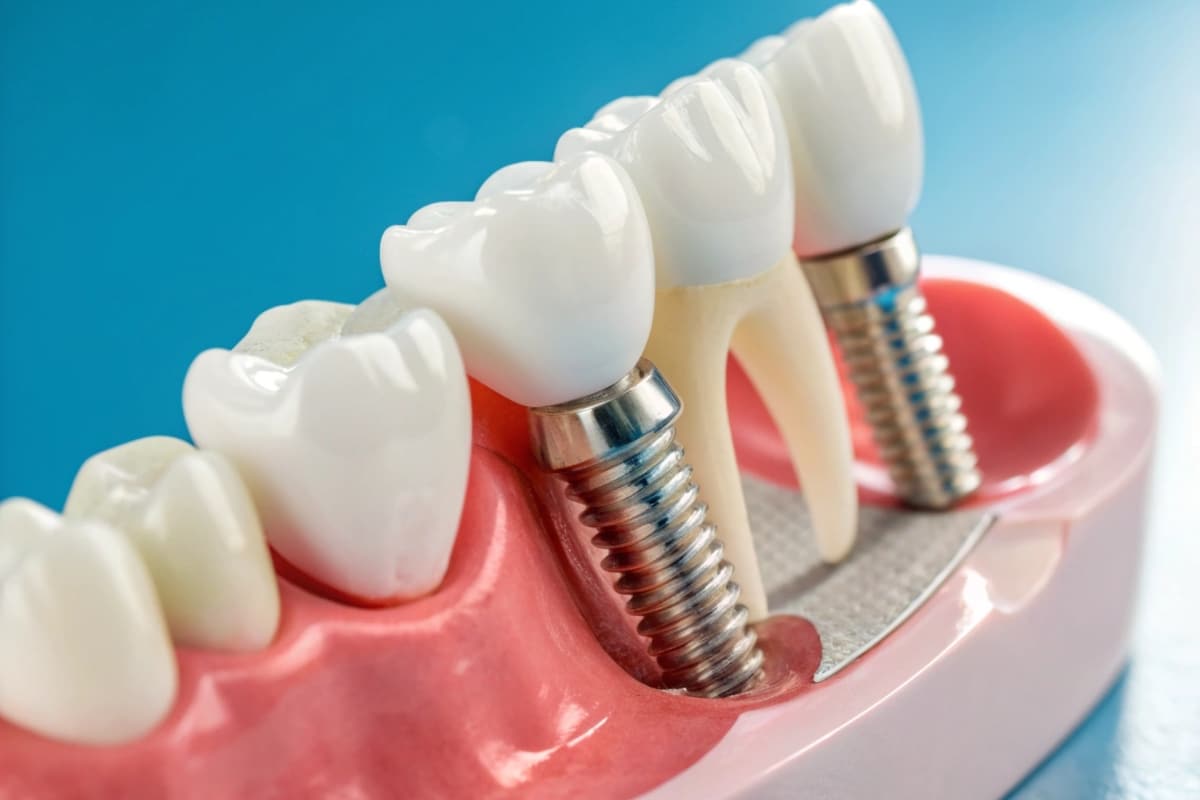
Are you considering dental implants as a solution for your missing teeth? While they can provide long-lasting benefits, the recovery process may seem daunting. But don’t worry; we’ve got you covered! In this blog post, we’ll give you all the facts you need to know about dental implant recovery. From what to expect during the procedure to how to care for your implants post-surgery, we’ll guide you through every step. So please sit back and relax while we remove any worries or doubts about recovering from your dental implant surgery!
What are Dental Implants?
Dental implants are artificial tooth roots that provide a permanent base for replacement teeth. They are made of titanium and other materials compatible with the human body. Dental implants offer many benefits over traditional dentures or bridges, including improved appearance, comfort, speech, and oral health. There are two main types of dental implants: endosteal and subperiosteal. Endosteal implants are placed directly into the jawbone and act as anchors for the replacement teeth. Subperiosteal implants are placed under the gum but above the jawbone, supporting a metal frame that holds the replacement teeth. The dental implant procedure typically involves several steps over months. First, the damaged tooth is removed, if necessary, and any remaining decay is treated. Next, an implant post is surgically inserted into the jawbone to anchor the new tooth. After this initial surgery has healed sufficiently (usually several weeks), abutments – small posts – will be attached to secure your new crown. The final step is attaching a custom-made crown to fit your mouth perfectly. Dental implants provide patients with a long-term solution for missing or damaged teeth that look natural and feel comfortable while improving oral health too!
Types of dental implants
When it comes to dental implants, there are several types available. The type of implant used will depend on your specific needs and jaw structure. Endosteal implants are the most common type of dental implant. These implants are placed directly into the jawbone and are typically made of titanium. Endosteal implants can support one or more artificial teeth and are suitable for most patients with healthy jaws. Subperiosteal implants, on the other hand, sit on top of the jawbone but under the gums. These implants may be recommended for patients with shallow jawbones or who cannot undergo bone augmentation surgery. Zygomatic implants are a less commonly used option for individuals with inadequate upper jaw bone density due to conditions like cancer treatment or injury. This type of implant is more extended than traditional endosteal options, anchoring into cheekbones instead. Different types of dental implants are available depending on patient need and suitability – from endosteal to subperiosteal and zygomatic varieties – so speak with your dentist about which option may work best for you before undergoing this procedure!
The Dental Implant Procedure
The dental implant procedure is a surgical process that involves replacing missing teeth with artificial ones. Before the surgery, your dentist will thoroughly examine your oral health to determine if you are a candidate for implants. The first step in the procedure is to place titanium posts (implants) into your jawbone. These metal posts serve as anchors for the replacement teeth that will be attached later. Once the implants have been placed, you will need time to heal and allow osseointegration – where the bone fuses with the implant- to occur. This can take several months, depending on each case. After sufficient healing time has passed, abutments (connectors) are attached to each implant post, which attaches to custom-made prosthetic teeth explicitly designed for you by your dentist. Your dentist may recommend additional procedures before dental implant surgery, such as bone grafting or sinus augmentation. Following your dentist’s pre and post-operative instructions is essential to ensure successful treatment outcomes.
When to Call the Doctor
Knowing when to call your dentist after a dental implant procedure is essential. While recovery can be smooth and uneventful for most patients, some may experience complications that require medical attention. If you are experiencing severe pain or discomfort that is not relieved by over-the-counter pain medication, it may be necessary to contact your dentist. Similarly, if you notice bleeding from the implant site that does not stop after applying pressure, it’s crucial to seek professional help immediately. Other signs of potential problems include swelling or redness around the implant area that persists for more than a few days. In addition, if you develop a fever or other symptoms of infection, such as pus discharge or foul odour, do not hesitate to reach out to your dental professional immediately. Please remember that any unusual symptoms should always be taken care of promptly to prevent further complications and ensure the successful healing of your dental implants.
Dental Implant Recovery
Dental implant recovery is an essential phase in the dental implant process. However, the procedure’s success largely depends on how well patients follow the recovery instructions given by their dentist. Patients can expect some discomfort immediately after surgery, including swelling and bleeding. Ice packs applied to the affected area can help reduce swelling. Painkillers may also be prescribed to manage any pain or discomfort. It’s essential to maintain good oral hygiene during the recovery period. Patients should brush gently around the surgical site, careful not to disturb stitches or healing tissue. In addition, they should avoid flossing until instructed by their dentist. Soft foods are recommended for a few days after surgery, gradually transitioning back to a regular diet as their dentist directs. Avoiding smoking and alcohol consumption is also advised during this time. Regular follow-up appointments with their dentist will ensure that everything is progressing well and there are no complications such as infection or implant failure. Proper post-operative care instructions are crucial for successful dental implant recovery and long-term dental health.
Benefits of Dental Implants
Dental implants have numerous benefits, making them a popular choice for tooth replacement. First and foremost, they look and function like natural teeth, providing a comfortable fit and restoring your ability to chew correctly. Unlike dentures or bridges, dental implants are designed to fuse with the jawbone, which helps prevent bone loss in the surrounding area. This also means the implant is more stable than other options, so you can enjoy all your favorite foods without worry. Implants are also low maintenance compared to other tooth replacement options. Of course, you must brush and floss regularly as you would with your natural teeth. However, dental implants can last many years – even a lifetime with proper care! Another benefit of dental implants is their impact on speech. Missing teeth or ill-fitting dentures can cause slurring or mumbling when speaking; however, dental implants allow you to speak normally without impediments. Dental implants provide an aesthetic improvement by filling gaps in your smile caused by missing teeth. They blend in seamlessly with your remaining teeth for a natural appearance so that no one will ever know they aren’t real!
Dental implants are an excellent solution for those who have lost their teeth due to injury or decay. With the high success rate of the implant procedure and proper care during recovery, patients can enjoy long-lasting benefits such as improved chewing ability, speech clarity, and aesthetic appearance. Following all post-operative instructions your dentist provides to ensure a smooth recovery process is essential. In addition, any concerns or complications should be addressed promptly with your dental professional. If you want to restore your smile with dental implants, consult a qualified dentist to discuss if this procedure is correct. Remember that each patient’s situation is unique and requires personalized attention from an experienced professional. Understanding the facts about dental implant recovery will help make the experience smoother and more successful overall. By taking proper care during recovery and following up regularly with your dentist, you can again enjoy all the benefits of having strong and healthy teeth!
Recent Post

September 21, 2026
Can Diabetes Increase the Risk of Dental Implant Failure?
September 17, 2026
Can You Get Dental Implants Years After Losing a Tooth?
September 11, 2026
What to Eat After Dental Implant Surgery: A Complete Recovery Guide

September 4, 2026
Why Do My Gums Bleed When I Brush?

August 26, 2026
Can You Use Garlic for Tooth Pain? Benefits, Risks, and Alternatives
Categories
Dental Implant (14)