
Blog
Dental Implant
Can You Get Dental Implants Years After Losing a Tooth?
September 17, 2026
Dental Implant
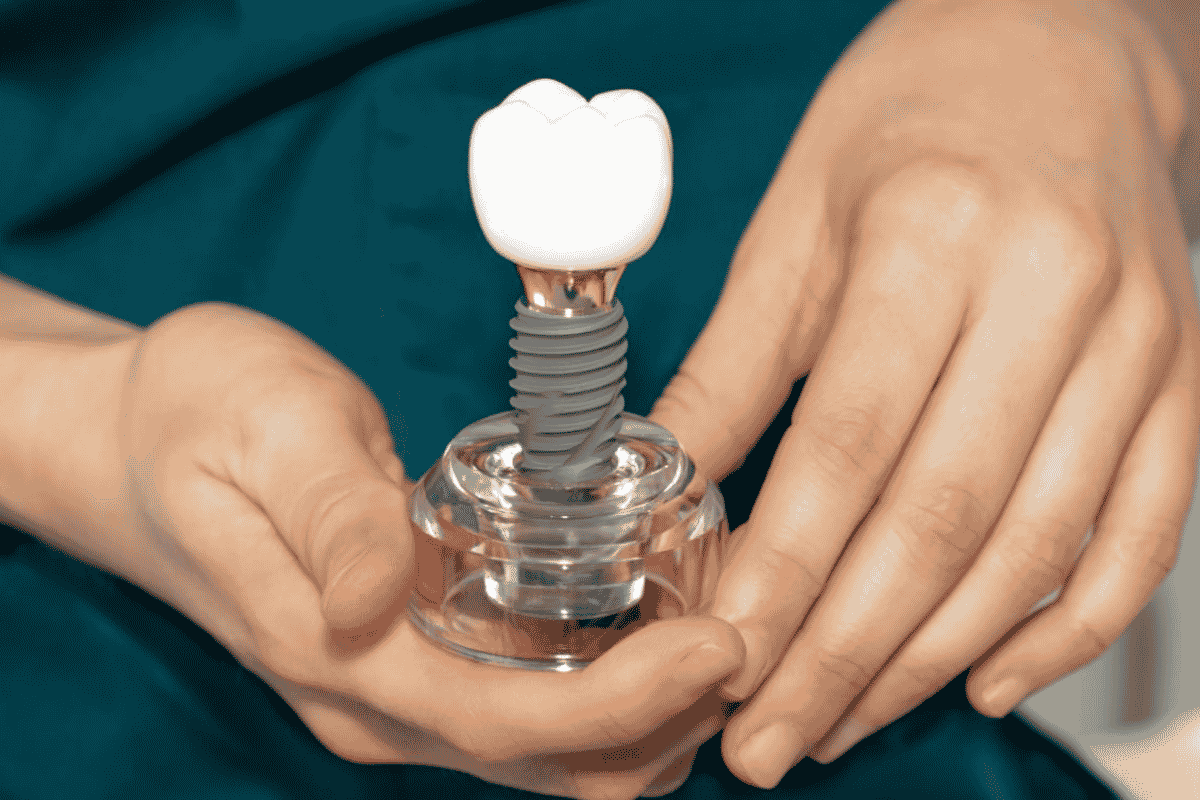
Yes, in most cases, you can still get a dental implant even if you lost a tooth years ago. The gap between losing a tooth and replacing it doesn’t automatically close the door on implants. What it does is change the plan a little. Your dentist may need to rebuild some of the bone that shrank away over time, but that extra step doesn’t rule you out. Plenty of patients walk in after ten, fifteen, even twenty years of living with a gap and walk out with a treatment plan that works.
If you’ve been putting off replacing a missing tooth because you assumed too much time had passed, this article walks through what actually happens to your mouth while a tooth is missing, why it still isn’t too late, and what the process looks like when you’re finally ready to fix it.
What Happens to Your Jawbone When a Tooth Has Been Missing for Years
Teeth do more than let you chew. The roots send a steady signal to your jawbone that tells your body to keep that section strong and dense. Once a tooth is gone, that signal disappears, and the bone underneath starts to shrink. This process is called resorption, and it happens gradually, often without any pain or obvious warning sign.
Within the first year alone, a person can lose a noticeable percentage of the bone width in that area. Left alone for several years, the bone can thin out considerably, and the gum tissue around it often changes shape too. This is the main reason dentists ask about timing when someone brings up an old missing tooth. It’s not about judging how long you waited. It’s about understanding how much rebuilding, if any, the site needs before an implant can be placed securely.
So, Is It Too Late to Get an Implant?
Almost never. The vast majority of patients who come in years after losing a tooth are still good candidates for implants. What changes with time is the complexity of the plan, not whether treatment is possible.
A few things your dentist will actually look at:
How much bone remains at the site
Whether nearby teeth have shifted into the gap
The health of your gums and any remaining teeth
Overall health conditions like diabetes or osteoporosis that can affect healing
Age itself is rarely a disqualifier. People in their seventies and eighties get implants successfully all the time, as long as their gums and overall health support healing. The real factor is bone volume, and even when that’s reduced, there’s usually a way to work around it.
Bone Grafting: The Bridge Between Time and a New Tooth
When enough bone has resorbed, a bone graft is often the solution. This involves adding graft material to the site so your body can rebuild density there over the following months. The graft acts almost like scaffolding, giving your own bone cells something to grow around and fill in.
Grafting sounds intimidating, but it’s a routine part of implant dentistry today. Depending on how much bone needs to be restored, healing can take anywhere from a few months to closer to six months before the site is ready for the implant post itself. During that waiting period, your dentist may fit you with a temporary tooth so you’re not left with a visible gap.
Not every long-term case needs grafting. Some patients still have plenty of healthy bone even after years without a tooth. The only way to know for sure is through imaging, which brings us to what actually happens once you decide to move forward.
What the Implant Process Looks Like After Years of Waiting
Once your dentist confirms the site can support an implant, either right away or after grafting, the process itself follows a fairly predictable path. A small titanium post is placed into the jawbone, where it fuses with the bone over several months through a process called osseointegration. Once that fusion is solid, a custom crown is attached on top, matched to the color and shape of your surrounding teeth.
If you want a clear picture of each stage before committing to anything, it helps to read through the full dental implant surgery process so you know exactly what to expect at every appointment, from the first scan to the final crown placement.
Success rates for implants remain high even in patients who waited years to replace a missing tooth, as long as the bone foundation is properly prepared beforehand. The extra planning step doesn’t lower the odds. It’s what makes those odds possible in the first place.
Why Waiting Even Longer Only Makes Things Harder
Every year a gap sits unaddressed, a few things tend to happen. Neighboring teeth can drift or tilt into the empty space, which throws off your bite. The opposing tooth on the other jaw can also start to shift downward or upward, looking for something to meet. Chewing on one side more than the other can strain your jaw joint over time. And of course, the bone keeps thinning the longer nothing fills that spot.
None of this means you’ve missed your window. It just means the sooner you address it, the simpler and shorter the treatment tends to be. Fixing it now is almost always easier than fixing it later.
What to Expect at Your Consultation
A consultation for a long-standing missing tooth usually starts with a conversation about your dental history, followed by a 3D scan of your jaw. That scan gives your dentist a detailed look at bone height, width, and density in the area, along with the position of nerves and sinuses nearby. From there, you’ll get a straightforward explanation of whether grafting is needed, how many appointments to plan for, and a realistic timeline from start to finished tooth.
This is also the right time to ask questions. How many implants are needed if more than one tooth is missing? What does the healing period actually feel like day to day? Is sedation an option? A good consultation should leave you with a plan you understand, not just a quote.
Ready to Finally Fill That Gap?
Years without a tooth don’t mean years without options. If you’ve been living with a gap in Avondale and wondering whether it’s too late, the honest answer is that it probably isn’t, and the only way to know for certain is a real conversation about your specific mouth. Visit our dental clinic and let the team at Gentle Family Dentist Avondale and Dental Implants take a look, walk you through what your bone looks like today, and map out a plan that actually fits your situation. That old gap has waited long enough.
Recent Post
September 17, 2026
Can You Get Dental Implants Years After Losing a Tooth?
September 11, 2026
What to Eat After Dental Implant Surgery: A Complete Recovery Guide

September 4, 2026
Why Do My Gums Bleed When I Brush?

August 26, 2026
Can You Use Garlic for Tooth Pain? Benefits, Risks, and Alternatives

August 19, 2026
Home Remedies for Toothache: What Works and What to Avoid
Categories
Dental Implant (13)