
Blog
Cosmetic Dentistry
Do Cosmetic Dentists Fill Cavities?
May 27, 2024
Cosmetic Dentistry

Cosmetic dentistry has become increasingly popular as more people seek to enhance their smiles and boost their confidence. But one question that often arises is whether cosmetic dentists also handle more routine dental tasks, such as filling cavities. Let’s dive into this topic and explore the roles and capabilities of cosmetic dentists.
What is Cosmetic Dentistry?
Cosmetic dentistry focuses on improving the appearance of a person’s teeth, gums, and smile. While it overlaps with general dentistry, its primary aim is aesthetic enhancement rather than the treatment of oral health issues. Cosmetic dentists are trained to perform a variety of procedures that enhance the visual appeal of one’s smile.

Roles and Responsibilities of a Cosmetic Dentist
Cosmetic dentists specialize in procedures that improve the look of your teeth and overall smile. They typically handle treatments such as teeth whitening, dental implant, bonding, and contouring. While their main focus is on aesthetics, they also possess the skills and training necessary to perform some general dentistry tasks.
General Dentistry vs. Cosmetic Dentistry
General dentistry covers the prevention, diagnosis, and treatment of a wide range of dental issues, from cavities to gum disease. Cosmetic dentistry, on the other hand, is all about appearance. However, there is a significant overlap between the two fields, particularly when it comes to procedures that improve both function and aesthetics.
Can Cosmetic Dentists Fill Cavities?
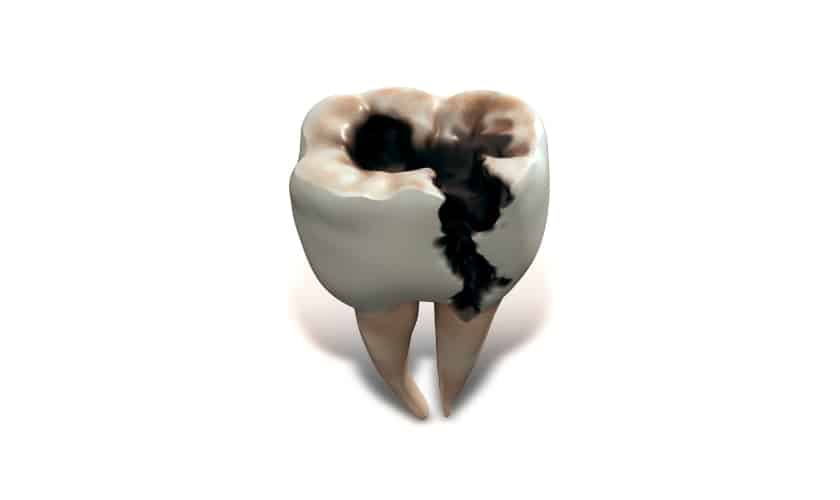
Yes, cosmetic dentists can fill cavities. They receive the same foundational training as general dentists, which includes the skills necessary to diagnose and treat cavities. However, they often use materials and techniques that focus on blending fillings seamlessly with the natural tooth for a more aesthetically pleasing result.
Types of Fillings Used by Cosmetic Dentists
Cosmetic dentists typically use tooth-colored materials for fillings, such as composite resins and porcelain. These materials are designed to match the natural color of your teeth, making the fillings virtually invisible. In contrast, traditional amalgam fillings, often used by general dentists, are metallic and more noticeable.
Composite Fillings
Composite fillings are made from a mixture of plastic and fine glass particles. They are durable and can be closely matched to the color of the existing tooth, making them a popular choice for fillings in visible areas.
Porcelain Fillings
Porcelain fillings, also known as inlays or onlays, are custom-made in a lab to fit the cavity perfectly. They are highly resistant to staining and can be color-matched to the tooth, offering both durability and a natural look.
Procedure for Filling Cavities
Initial Consultation
The process begins with an initial consultation where the cosmetic dentist examines your teeth, discusses your concerns, and takes X-rays if necessary.
Diagnosis and Treatment Planning
Once a cavity is diagnosed, the dentist will explain the treatment options, including the types of fillings available and their respective benefits.
The Filling Process
The actual filling process involves removing the decayed portion of the tooth, cleaning the cavity, and then filling it with the chosen material. The dentist will shape and polish the filling to ensure it fits comfortably and looks natural.
Advantages of Having Cavities Filled by a Cosmetic Dentist
One of the main advantages of having cavities filled by a cosmetic dentist is the aesthetic outcome. Cosmetic dentists use advanced materials and techniques that ensure the fillings blend seamlessly with your natural teeth. They also have access to the latest technology, which can result in more precise and less invasive treatments.
Potential Drawbacks
Cost Considerations
Cosmetic dental procedures can be more expensive than traditional treatments due to the materials used and the expertise required. Composite and porcelain fillings typically cost more than amalgam fillings.
Insurance Coverage Issues
Not all dental insurance plans cover cosmetic procedures, so it’s essential to check with your provider to understand what is and isn’t covered.
Patient Experience and Satisfaction
Many patients prefer cosmetic dentists for their attention to detail and the emphasis on aesthetics. Personal stories and testimonials often highlight the positive impact of cosmetic dental treatments on confidence and overall quality of life.
Preventive Care in Cosmetic Dentistry
Cosmetic dentists also emphasize the importance of preventive care to maintain oral health and avoid future cavities. They provide guidance on proper brushing, flossing, and dietary habits to help prevent tooth decay.
Advanced Cosmetic Procedures Beyond Fillings
Cosmetic dentists offer a range of procedures that go beyond fillings, including:
Teeth Whitening
Professional teeth whitening can significantly brighten your smile and remove stains caused by food, drinks, and smoking.
Veneers
Veneers are thin shells of porcelain or composite resin that cover the front surface of teeth, improving their appearance by changing their color, shape, or size.
Bonding
Dental bonding involves applying a tooth-colored resin to repair chipped, cracked, or discolored teeth, enhancing their appearance and function.
Choosing the Right Dentist for Your Needs
When selecting a dentist, consider factors such as their qualifications, experience, and the range of services they offer. It’s also important to check reviews and ask for recommendations to ensure you’re making an informed decision.
Common Myths About Cosmetic Dentistry
There are several myths about cosmetic dentistry, such as it being purely aesthetic or excessively expensive. However, many procedures offer both functional and aesthetic benefits, and the cost can be manageable with proper planning and insurance.
Conclusion
In conclusion, cosmetic dentists are fully capable of filling cavities, often using advanced materials and techniques that prioritize aesthetics. While there are some cost and insurance considerations, the benefits of having a cavity filled by a cosmetic dentist can be substantial, particularly for those who value the appearance of their smile.
FAQs
Can a cosmetic dentist perform root canals? Yes, cosmetic dentists can perform root canals as they are trained in a wide range of dental procedures, including those that address severe tooth decay.
How long do cosmetic fillings last? Cosmetic fillings, such as composite and porcelain, can last anywhere from 5 to 15 years or more, depending on the material used and how well you care for your teeth.
Are cosmetic dental procedures painful? Most cosmetic dental procedures are not painful, especially with modern anesthetics and sedation options. Patients may experience some discomfort, but it’s typically minimal.
Is cosmetic dentistry more expensive than general dentistry? Cosmetic dentistry can be more expensive due to the materials and techniques used. However, the results often justify the cost, especially for those prioritizing aesthetics.
Can I switch from a general dentist to a cosmetic dentist? Yes, you can switch from a general dentist to a cosmetic dentist if you’re looking for specific aesthetic improvements or if you prefer the materials and techniques used by cosmetic dentists.
Recent Post

September 21, 2026
Can Diabetes Increase the Risk of Dental Implant Failure?
September 17, 2026
Can You Get Dental Implants Years After Losing a Tooth?

September 11, 2026
What to Eat After Dental Implant Surgery: A Complete Recovery Guide

September 4, 2026
Why Do My Gums Bleed When I Brush?

August 26, 2026
Can You Use Garlic for Tooth Pain? Benefits, Risks, and Alternatives
Categories
Cosmetic Dentistry (38)