
Blog
Periodontal dentistry
Expert Advice on Preventing Gum Disease
July 24, 2025
Periodontal dentistry

Are you tired of dealing with bleeding gums and bad breath? Do you want to maintain healthy teeth for years to come? If yes, then it’s time to learn about preventing gum disease from the experts. Gum disease is a common dental problem that can lead to serious health issues if left untreated. But don’t worry, we have got your back! We’ve gathered insights and tips from top-notch dentists on how to prevent gum disease effectively. So let’s dive into this informative blog post and start taking care of our oral health today!
Overview of Gum Disease
Gum disease, also known as periodontal disease, is a serious infection of the gums that can lead to tooth loss. Gum disease is caused by plaque, a sticky film of bacteria that forms on teeth. Plaque produces toxins that damage the gums and bones supporting the teeth. If not removed, plaque hardens into calculus (tartar).
Gingivitis is the early stage of gum disease. The gums become red, swollen, and bleed easily. At this stage, gum disease is reversible with good oral hygiene.
If gingivitis is not treated, it can progress to periodontitis. In periodontitis, the gums and bone are destroyed and pockets form between the teeth and gums. Teeth may become loose, fall out or need to be removed by a dentist.
Periodontitis is a serious infection that requires treatment by a dentist or periodontist (gum specialist). Treatment may include deep cleaning, scaling, and root planing (to remove tartar from below the gum line), antibiotics, or surgery.
Good oral hygiene is the best way to prevent gum disease. Brush your teeth twice a day with fluoride toothpaste and floss daily to remove plaque. See your dentist regularly for professional cleanings and checkups.
Common Causes of Gum Disease
There are many things that can contribute to gum disease, but there are three primary causes: plaque, tartar, and gingivitis. Plaque is a sticky film of bacteria that constantly forms on your teeth. If not removed, it can harden into tartar, which is much harder to remove. Gingivitis is an inflammation of the gums that can be caused by plaque or tartar buildup. It can also be caused by other factors like hormonal changes, certain medications, genetics, and smoking.
Symptoms of Gum Disease
Most people with gum disease don’t know they have it because there are usually no symptoms in the early stages. That’s why it’s important to see a dental professional regularly for checkups and cleanings.
As gum disease progresses, some of the more common symptoms include:
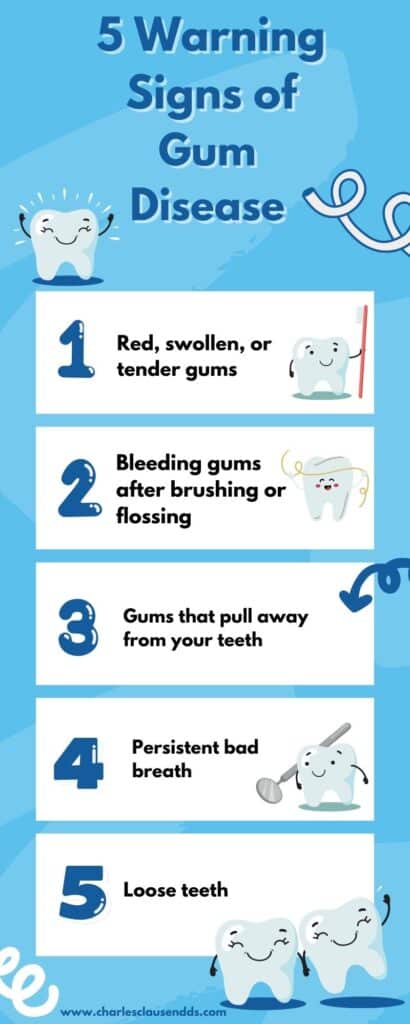
If you experience any of these symptoms, be sure to see your dentist as soon as possible so they can diagnose and treat the problem before it becomes more serious.
Practicing Good Oral Hygiene
Practicing good oral hygiene is one of the best ways to prevent gum disease. Here are some tips for keeping your gums healthy:
i) Brush your teeth twice a day with a soft-bristled toothbrush.
ii) Floss daily to remove plaque from between your teeth.
iii) Use an antiseptic mouthwash to help kill bacteria.
iv) Visit your dentist regularly for professional cleanings and checkups.
If you have any concerns about your gum health, be sure to talk to your dentist. They can help you develop a personalized plan for keeping your gums healthy and preventing gum disease.
Adopting Healthy Lifestyle Habits
Brushing and flossing your teeth regularly is one of the most important things you can do to prevent gum disease. Be sure to brush at least twice a day, and floss at least once a day.
In addition to brushing and flossing, there are other healthy habits you can adopt to help prevent gum disease. These include:
- Eating a healthy diet: Eating a balanced diet with plenty of fresh fruits and vegetables is good for your overall health, including your oral health. Avoid sugary snacks and drinks, which can contribute to tooth decay.
- Quitting smoking: Smoking is a major risk factor for gum disease. If you smoke, quitting is the best thing you can do for your oral health.
- Managing stress: Chronic stress can lead to a variety of health problems, including gum disease. Try to find ways to manage stress in your life, such as relaxation techniques or regular exercise.
Visiting a Dentist Regularly
It is important to visit a dentist regularly in order to prevent gum disease. Gum disease is a serious condition that can lead to tooth loss, and it is important to catch it early. During a regular dental visit, the dentist will clean your teeth and check for any signs of gum disease. If you have any concerns about your oral health, be sure to discuss them with your dentist.
Dietary Considerations for Preventing Gum Disease
When it comes to preventing gum disease, there are a few dietary considerations to keep in mind. First, it is important to consume plenty of water throughout the day to keep your mouth hydrated. This will help reduce the risk of gum tissue becoming dry and brittle, which can lead to inflammation and infection. Secondly, make sure to include foods rich in vitamins A and C in your diet as these nutrients are essential for maintaining healthy gums. Foods such as leafy greens, oranges, and tomatoes are all great sources of these vitamins. Finally, limit your intake of sugary and acidic foods as these can contribute to tooth decay and gum disease. If you do indulge in these items, be sure to brush your teeth afterwards to remove any harmful bacteria. By following these simple dietary tips, you can help keep your gums healthy and disease-free!
Natural Remedies for Treating and Preventing Gum Disease
Gingivitis is an inflammation of the gums that can lead to gum disease if left untreated. Gum disease is a serious condition that can damage the gums and bones that support the teeth. Fortunately, there are several natural remedies that can help treat and prevent gum disease.
Oil pulling is an ancient Ayurvedic practice that involves swishing oil around in the mouth for 20 minutes to remove bacteria and toxins. Coconut oil is a popular choice for oil pulling, but any type of oil will do.
Another effective way to treat gum disease is to use a natural mouthwash made with ingredients like baking soda, hydrogen peroxide, and essential oils. This mouthwash can help reduce inflammation and kill harmful bacteria.
Finally, make sure you’re brushing and flossing regularly to remove plaque from your teeth. You can also use a natural toothpaste made with baking soda, hydrogen peroxide, or essential oils to help keep your gums healthy.
Conclusion
Preventing gum disease is a critical part of maintaining our oral health. By following the expert advice outlined in this article, you can ensure that your gums stay healthy and strong for as long as possible. This includes brushing twice daily with fluoride toothpaste, flossing between teeth every day, eating a balanced diet low in sugar and processed foods, visiting your dentist for regular check-ups and cleanings, quitting smoking if applicable, and using mouthwash regularly. With these simple steps taken on a regular basis you will keep your smile looking its best!
What is gum disease?
Gum disease is an infection of the gums that can progress to affect the bone supporting the teeth. It is caused by plaque, a sticky film of bacteria that forms on teeth. Plaque can harden into calculus (tartar). If plaque and calculus are not removed, they will irritate the gums and cause them to become inflamed. This is called gingivitis. Gingivitis is a mild form of gum disease and can usually be reversed with good oral hygiene. However, if left untreated, gingivitis can progresses to periodontitis, a more serious form of gum disease that can destroy the bone supporting the teeth and lead to tooth loss.
How do I know if I have gum disease?
Gum disease often develops without any symptoms in its early stages. As it progresses, you may notice your gums bleeding when you brush or floss your teeth. You may also notice that your gums are red, swollen, or tender. If you have any of these symptoms, see your dentist for an evaluation as soon as possible.
How can I prevent gum disease?
Good oral hygiene is the best way to prevent gum disease. Be sure to brush twice a day with a toothpaste that contains fluoride and floss daily to remove plaque from between your teeth and beneath your gumline where your toothbrush cannot reach.
Recent Post

September 21, 2026
Can Diabetes Increase the Risk of Dental Implant Failure?

September 17, 2026
Can You Get Dental Implants Years After Losing a Tooth?

September 11, 2026
What to Eat After Dental Implant Surgery: A Complete Recovery Guide

September 4, 2026
Why Do My Gums Bleed When I Brush?

August 26, 2026
Can You Use Garlic for Tooth Pain? Benefits, Risks, and Alternatives
Categories
Periodontal dentistry (1)