
Blog
Cosmetic Dentistry
Can a Failed Dental Implant Be Replaced?
August 26, 2024
Cosmetic Dentistry

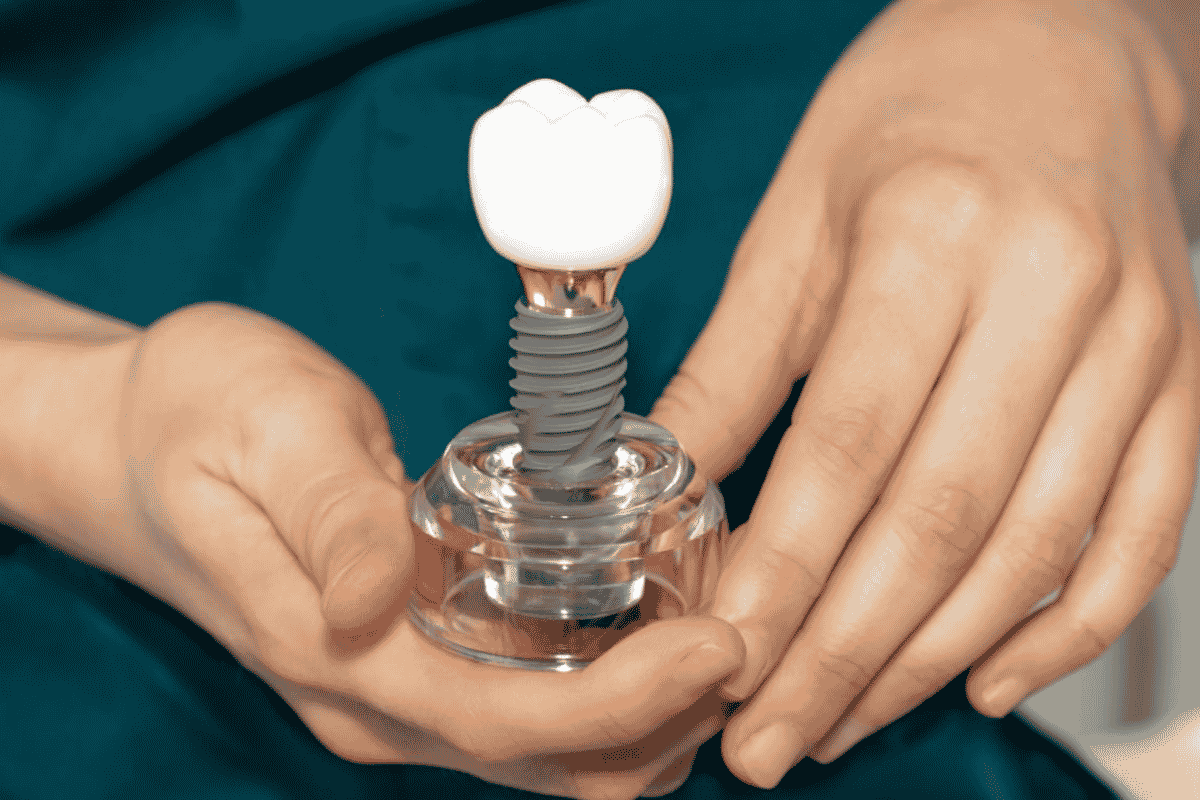
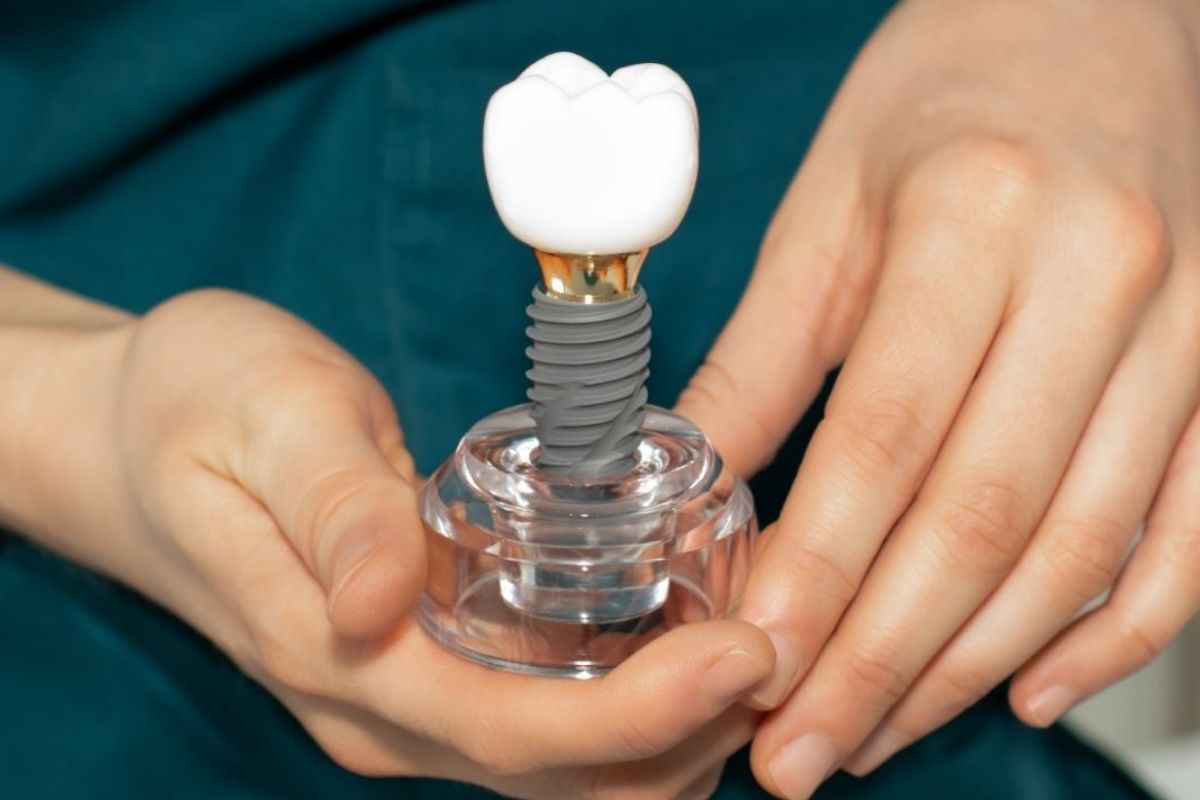
Dental implants are artificial tooth roots, usually made of titanium, that provide a permanent base for fixed or removable replacement teeth. They are designed to blend seamlessly with your natural teeth, offering a durable and aesthetically pleasing solution for tooth loss.
Why Do Dental Implants Fail?
While dental implants have a high success rate, failures can occur. Failures can be due to several factors, including improper placement, poor oral hygiene, or underlying health conditions.
Signs of a Failed Dental Implant
Pain and Discomfort
Experiencing persistent pain and discomfort around the implant site can be a sign of failure. While some discomfort is normal initially, ongoing pain should not be ignored.
Loose Implant
A dental implant should feel secure. If it becomes loose or moves when you touch it, this indicates a problem that needs to be addressed by your dentist.
Gum Inflammation
Swollen, red, or bleeding gums around the implant site can indicate an infection or peri-implantitis, a condition that can lead to implant failure if untreated.
Infection
Infections can occur during or after the implant procedure, potentially leading to failure. Symptoms may include fever, swelling, and pus around the implant area.
Causes of Dental Implant Failure
Poor Oral Hygiene
Neglecting oral hygiene can lead to peri-implantitis and other infections that compromise the implant. Regular brushing, flossing, and dental check-ups are crucial.
Insufficient Bone Density
Adequate bone density is essential for the implant to integrate successfully. If the bone is too thin or soft, the implant may fail to anchor properly.
Peri-implantitis
This inflammatory condition affects the gums and bone around the implant, leading to bone loss and potential implant failure. It is similar to periodontitis but specific to implants.
Smoking and Alcohol
Both smoking and excessive alcohol consumption can impair healing and increase the risk of implant failure. Smokers are particularly at risk due to reduced blood flow to the gums.
Medical Conditions
Certain medical conditions, such as diabetes and autoimmune diseases, can hinder healing and increase the risk of implant failure. Always discuss your health history with your dentist before the procedure.
Steps to Replace a Failed Dental Implant
Initial Assessment by a Dentist
The first step is a thorough examination by a local dentist or cosmetic dentist. They will assess the cause of the failure and develop a plan for replacement.
Removal of the Failed Implant
The failed implant must be carefully removed. This procedure varies depending on
the condition of the surrounding bone and tissue.
Bone Grafting (If Necessary)
In some cases, bone grafting is necessary to rebuild the jawbone before placing a new implant. This process ensures there is enough bone density to support the new implant securely.
Placement of the New Implant
Once the area has healed and, if necessary, the bone graft has integrated, the new implant can be placed. The procedure involves inserting the new implant into the jawbone, allowing it to fuse naturally over time.
Preventing Dental Implant Failure
Maintain Good Oral Hygiene
Regular brushing, flossing, and dental check-ups are crucial to prevent infections and ensure the longevity of your dental implants. This routine care helps keep your mouth healthy and your implants secure.
Regular Dental Check-Ups
Routine visits to your local dentist or general dentist are essential. These check-ups allow your dentist to monitor the health of your implants and address any potential issues early on.
Healthy Lifestyle Choices
Adopting healthy lifestyle habits, such as quitting smoking and moderating alcohol consumption, can significantly improve the success rate of dental implants. A healthy lifestyle promotes better oral and overall health.
Follow Post-Operative Care Instructions
After your implant procedure, your dentist will provide specific care instructions. Following these instructions carefully is vital to ensure proper healing and reduce the risk of complications.
Conclusion
While dental implant failure can be disappointing, it is often possible to replace a failed implant successfully. By understanding the causes and signs of failure, taking preventive measures, and seeking prompt treatment from a trusted dentist, you can increase the chances of a successful replacement. Remember, maintaining good oral hygiene and a healthy lifestyle are key factors in the longevity of your dental implants.
Recent Post

September 21, 2026
Can Diabetes Increase the Risk of Dental Implant Failure?
September 17, 2026
Can You Get Dental Implants Years After Losing a Tooth?
September 11, 2026
What to Eat After Dental Implant Surgery: A Complete Recovery Guide

September 4, 2026
Why Do My Gums Bleed When I Brush?

August 26, 2026
Can You Use Garlic for Tooth Pain? Benefits, Risks, and Alternatives
Categories
Cosmetic Dentistry (38)