
Blog
Dental Care
The Right Way To Floss Your Teeth
April 13, 2026
Dental Care
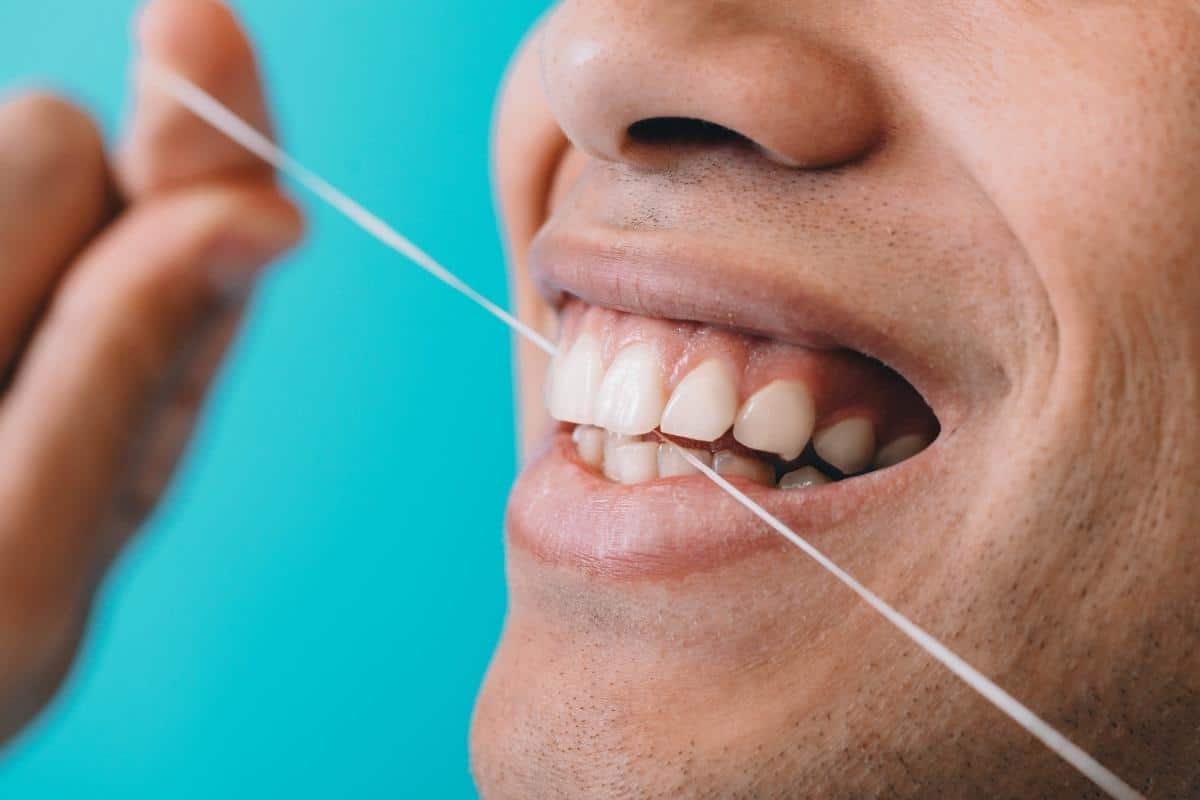
Most people brush every day and still wonder why their gums feel tender or why their dentist mentions buildup between teeth. The truth is simple. Brushing alone cannot reach those tight spaces where plaque hides. That is where proper flossing makes a real difference. When done the right way, it helps protect your gums, keeps your breath fresh, and supports a cleaner, healthier smile.
Many patients say they floss, but few follow the technique that truly removes debris. A quick back-and-forth motion is not enough. A dental professional will often point out that technique matters just as much as consistency. Learning how to floss correctly can change how your teeth and gums feel within days.
Why Proper Flossing Technique Matters
Flossing is not just about removing food particles. It plays a key role in preventing gum irritation and reducing plaque buildup in areas your toothbrush cannot reach. When plaque stays between teeth, it hardens and leads to problems that are harder to manage later.
Taking a few extra seconds to floss correctly can:
Reduce gum bleeding over time
Support healthier gum tissue
Help prevent cavities between teeth
Improve overall oral freshness
Step-by-Step Guide To Flossing Correctly
Start With The Right Length
Use about eighteen inches of floss. Wrap most of it around your middle fingers and leave a small section to work with. This gives you better control and allows you to use a clean section as you move along.
Guide The Floss Gently
Hold the floss between your thumbs and index fingers. Slide it slowly between your teeth. Avoid snapping it into your gums, as that can cause irritation.
Curve Around Each Tooth
Once the floss reaches the gumline, curve it into a C shape against one tooth. Gently move it up and down to clean the side of the tooth. Repeat this on the adjacent tooth before moving on.
Use A Fresh Section Each Time
Shift to a clean section of floss as you move from one tooth to the next. This helps avoid spreading bacteria across your mouth.
Common Flossing Mistakes To Avoid
Many people floss regularly but still miss the benefits due to small mistakes. Fixing these habits can improve results quickly.
Rushing through the process instead of taking your time
Skipping the back teeth, where buildup often collects
Using the same section of floss repeatedly
Pressing too hard against the gums
Only flossing when something feels stuck
Finding A Routine That Works
Consistency matters more than perfection. It is better to floss once a day with good technique than to do it occasionally with poor form. Try adding flossing to your nighttime routine when you are less rushed. Over time, it will feel like a natural part of your day.
If your gums bleed at first, do not stop. Mild bleeding is often a sign of inflammation, and regular flossing can help improve gum health. However, if it continues, it may be time to get guidance from a dental team in Avondale.
Quick Tips To Make Flossing Easier
Use floss picks if traditional floss feels difficult
Floss before brushing to loosen debris
Stand in front of a mirror to improve accuracy
Stay consistent even when your schedule is busy
Let’s Keep Your Smile On Track
Taking care of your teeth at home makes a real difference, but regular checkups help you stay ahead of potential concerns. At Gentle Family Dentist Avondale and Dental Implants, we are here to guide you with practical care that fits your routine.
Get personalized advice for your daily habits
Learn techniques that actually work for your smile
Stay on top of your oral health with routine visits
Visit our dental office in Avondale to get the support your smile deserves and keep your routine working the right way.
FAQs :
How often should I floss?
Once a day is enough when you follow the correct technique.
Is bleeding normal when I start flossing?
It can happen at first, but it usually improves with consistency.
Can I use alternatives to traditional floss?
Yes, floss picks or water-based tools can help, especially if you have tight spaces.
Should I floss before or after brushing?
Flossing before brushing can help remove debris, so brushing is more effective.
What if flossing feels uncomfortable?
It may take a few days to adjust, but a gentle technique usually solves the issue.
Recent Post

September 21, 2026
Can Diabetes Increase the Risk of Dental Implant Failure?
September 17, 2026
Can You Get Dental Implants Years After Losing a Tooth?
September 11, 2026
What to Eat After Dental Implant Surgery: A Complete Recovery Guide

September 4, 2026
Why Do My Gums Bleed When I Brush?

August 26, 2026
Can You Use Garlic for Tooth Pain? Benefits, Risks, and Alternatives
Categories
Dental Care (18)