
Blog
Sleep Apnea
Obstructive Sleep Apnea (OSA) Procedure: Diagnosis And Treatment
September 18, 2025
Sleep Apnea
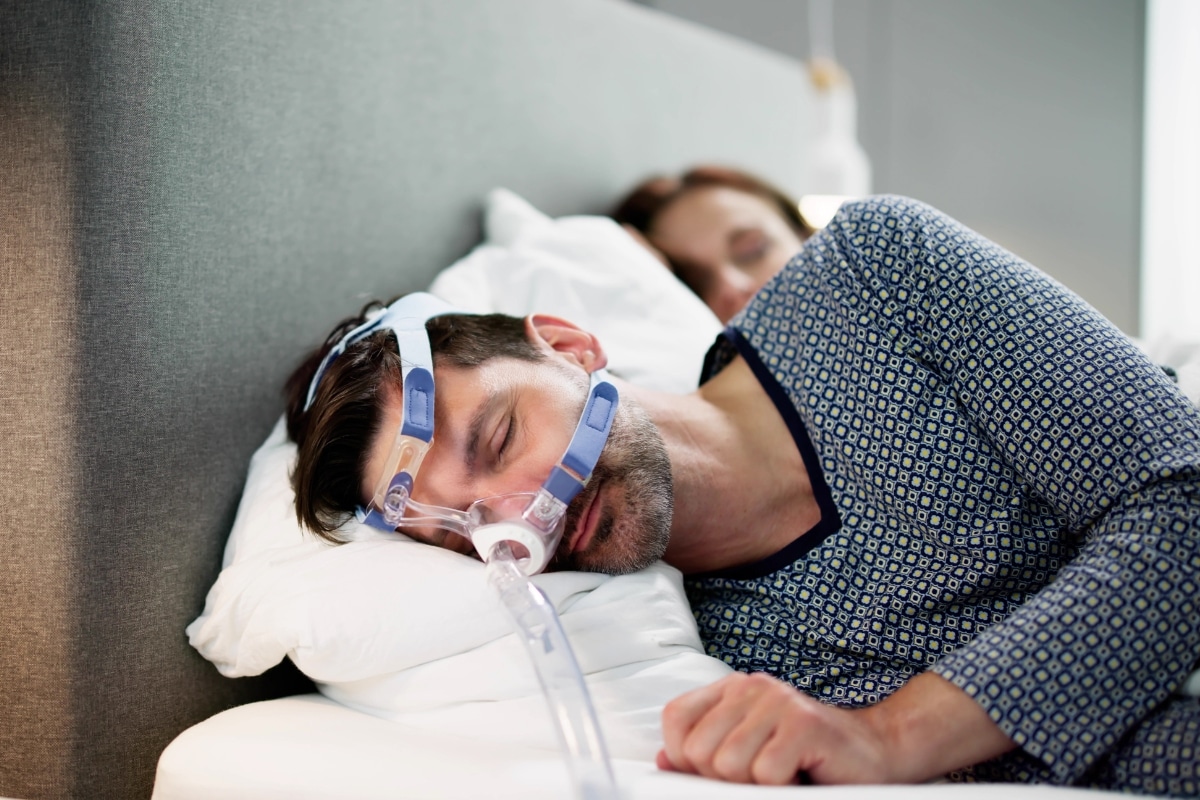
Do you find yourself feeling consistently exhausted despite getting a full night’s rest? Do you snore loudly and wake up gasping for air? If so, you may suffer from Obstructive Sleep Apnea (OSA). OSA is a serious sleep disorder that affects millions of people worldwide. The good news is, there are numerous diagnoses and treatment options available to help manage this condition. In this blog post, we will explore the most effective ways to identify and treat OSA, ensuring a better quality of life for those affected by it. So if you or someone you know struggles with OSA, keep reading to learn more!
What is Obstructive Sleep Apnea?
Obstructive sleep apnea (OSA) is a sleep disorder in which breathing is interrupted during sleep. The obstruction can occur in the nose, mouth, or throat. Obstructive sleep apnea is a serious condition that can lead to health problems, including heart disease, high blood pressure, and stroke.
There are two types of sleep apnea: obstructive and central. Obstructive sleep apnea is the more common type. It occurs when the muscles in the back of the throat relax too much and block the airway. This causes pauses in breathing during sleep. Central sleep apnea is less common and occurs when the brain does not send signals to the muscles that control breathing.
Sleep apnea can occur in people of any age, but it is more common in adults and people who are overweight. People with certain medical conditions, such as heart failure or chronic lung disease, are also at increased risk for sleep apnea.
Symptoms of obstructive sleep apnea include loud snoring, gasping or choking during sleep, daytime fatigue, morning headaches, and difficulty concentrating during the day. If you have any of these symptoms, you should see a doctor for a diagnosis.
Treatment for obstructive sleep apnea may include lifestyle changes, such as losing weight or avoiding alcohol before bedtime. You may also need to use a continuous positive airway pressure (CPAP) machine to help keep your airway open while you sleep.
Symptoms of Obstructive Sleep Apnea
Several symptoms can indicate that a person has obstructive sleep apnea. These can include loud snoring, gasping or choking noises during sleep, restless sleep, waking up frequently during the night, daytime sleepiness or fatigue, and difficulty concentrating during the day. If you have any of these symptoms, it is important to see a doctor so that they can assess whether you have OSA and recommend the best treatment option for you.
Causes of Obstructive Sleep Apnea
There are many potential causes of obstructive sleep apnea (OSA), but the most common cause is excess weight and obesity. Other potential causes include:
Large tonsils or adenoids
Nasal congestion or obstruction
Recessed chin
Small jaw
Thick neck circumference
These anatomical features can lead to obstruction of the airway during sleep, causing the characteristic snoring and pauses in breathing that are associated with OSA. While these are the most common causes of OSA, it is important to note that anyone can develop the condition, regardless of weight, age, or physical features.
Diagnosing Obstructive Sleep Apnea
There are three types of sleep apnea: obstructive, central, and mixed. Obstructive sleep apnea (OSA) is the most common type. It occurs when your throat muscles intermittently relax and block your airway during sleep. This causes you to snore and may cause you to stop breathing for short periods.
Central sleep apnea (CSA) occurs when your brain doesn’t send proper signals to your muscles to keep your airway open. Mixed sleep apnea is a combination of both OSA and CSA.
If you think you might have sleep apnea, see your doctor. He or she will likely ask about your symptoms and medical history. They may also recommend a sleep study. This is where you stay overnight in a sleep lab so that technicians can monitor your sleeping patterns, breathing, and oxygen levels.
Your doctor may also recommend a physical exam and special tests of your upper airway. These may include X-rays, CT scans, MRIs, or endoscopies (looking inside your throat with a flexible tube).
Treatments For Obstructive Sleep Apnea
There are several different treatments for obstructive sleep apnea (OSA). The most common and effective treatment is Continuous Positive Airway Pressure (CPAP). CPAP is a machine that delivers gentle air pressure to keep your airways open while you sleep. Other treatments include:
Source: Providence Swedish
- Weight loss: Losing weight can help reduce the severity of OSA.
- Oral appliances: These are devices that are worn in the mouth during sleep to keep the airway open.
- Surgery: In some cases, surgery may be necessary to remove tissue or widen the airway.
Obstructive Sleep Apnea is a serious condition that requires prompt diagnosis and treatment. The good news is, there are many effective treatments available to help manage the symptoms of OSA and improve quality of life. Healthcare providers have an important role in diagnosing OSA and recommending the best course of therapy for individuals suffering from this disorder. If you or someone you know experiences any signs or symptoms associated with Obstructive Sleep Apnea, it’s important to seek medical advice right away.
Recent Post

September 21, 2026
Can Diabetes Increase the Risk of Dental Implant Failure?
September 17, 2026
Can You Get Dental Implants Years After Losing a Tooth?
September 11, 2026
What to Eat After Dental Implant Surgery: A Complete Recovery Guide
September 4, 2026
Why Do My Gums Bleed When I Brush?

August 26, 2026
Can You Use Garlic for Tooth Pain? Benefits, Risks, and Alternatives
Categories
Sleep Apnea (2)