
Blog
Dental Care
Why Plaque Control Deserves More Attention
May 1, 2026
Dental Care
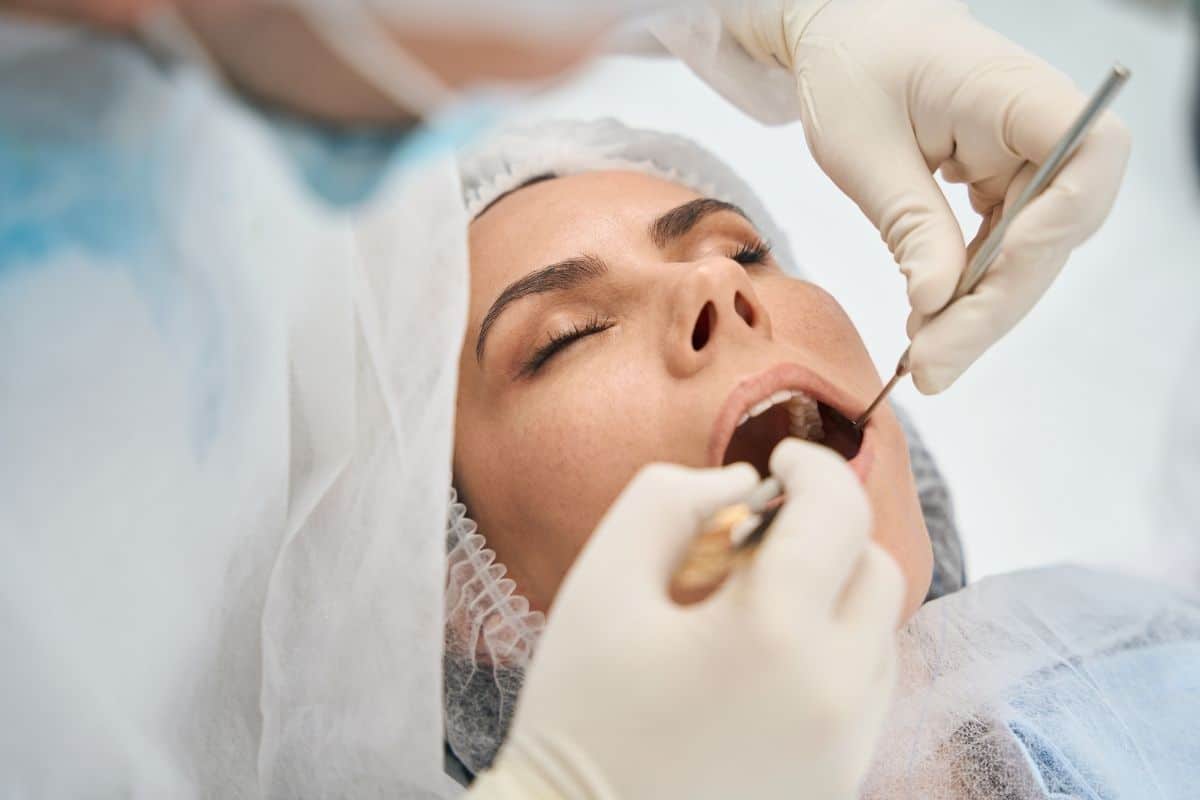
Plaque is something most people deal with every day, but it rarely gets the attention it deserves until it turns into a bigger problem. When left unchecked, it does not just sit on the surface of your teeth. It gradually hardens, becomes harder to remove, and can quietly affect your gums and overall oral comfort. Understanding how this process works is the first step in protecting your smile and avoiding more involved dental care later.
At our dental practice in Avondale, we often see patients who are surprised by how quickly plaque can become more stubborn. The good news is that small, consistent habits can make a real difference.
How Plaque Turns Into Tartar
What Plaque Really Is
Plaque is a soft, sticky film that forms on teeth after eating and drinking. It contains bacteria that naturally live in the mouth. When you do not remove it regularly through brushing and flossing, it begins to build up in layers.
How It Hardens Over Time
When plaque stays on the teeth, minerals in saliva cause it to harden. This hardened form is called tartar. Unlike plaque, tartar cannot be removed with brushing at home. It bonds tightly to the tooth surface and often forms along the gumline, where it is harder to see.
Why Timing Matters
Once plaque turns into tartar, it becomes much more difficult to control oral health at home. This is where a dental practitioner plays an important role, helping identify early buildup and removing it before it starts affecting gum health or causing irritation.
Daily Habits That Keep Plaque Under Control
Consistency is what keeps plaque from turning into tartar. Small daily actions make a noticeable difference over time.
• Brush your teeth twice a day with steady attention to all tooth surfaces
• Floss daily to remove plaque between teeth where brushing cannot reach
• Drink water after meals to help wash away food particles
• Limit frequent snacking, especially sugary or sticky foods
• Replace your toothbrush every few months to maintain effective cleaning
These habits work best when done regularly, not occasionally.
Why Professional Cleaning Still Matters
Even with strong home care, some areas in the mouth are difficult to keep completely clean. Tight spaces, back teeth, and gumline areas can hold onto plaque longer than expected. Over time, this is where tartar often begins to form.
Regular dental visits help remove buildup that brushing and flossing miss. They also allow early detection of gum irritation before it develops into something more serious. Many people are surprised at how much smoother and cleaner their teeth feel after a professional cleaning, especially when small deposits are removed from areas they cannot easily reach at home.
Signs Your Teeth May Be Moving From Plaque to Tartar
Paying attention to early changes can help you act before tartar becomes established.
• Teeth feeling rough near the gumline
• Mild gum redness or sensitivity
• Bleeding during brushing or flossing
• Persistent bad breath even after cleaning your teeth
• Yellow or brown buildup that does not brush away
These signs are worth addressing early rather than waiting for discomfort to worsen.
Take Control of Your Oral Health Today
Keeping plaque under control is not about perfection. It is about consistency and paying attention to early signs before they turn into bigger concerns. If you stay ahead of buildup, you protect your gums, your teeth, and your long-term comfort.
If you’re searching for a trusted dentist in Avondale, Gentle Family Dentist Avondale and Dental Implants is ready to help you stay ahead of plaque and maintain a healthier smile. Visit our dental office in Avondale for care that focuses on prevention, comfort, and long-term oral health.
FAQs:
Can tartar be removed at home?
No, once plaque hardens into tartar, it needs professional cleaning tools for safe removal.
How fast does plaque turn into tartar?
It can start hardening in just a few days if oral hygiene is inconsistent.
Does everyone get plaque buildup?
Yes, plaque forms naturally in every mouth, but control depends on daily care habits.
Is tartar harmful even if I do not feel pain?
Yes, it can affect gums quietly before noticeable symptoms appear.
Recent Post

September 21, 2026
Can Diabetes Increase the Risk of Dental Implant Failure?
September 17, 2026
Can You Get Dental Implants Years After Losing a Tooth?
September 11, 2026
What to Eat After Dental Implant Surgery: A Complete Recovery Guide
September 4, 2026
Why Do My Gums Bleed When I Brush?

August 26, 2026
Can You Use Garlic for Tooth Pain? Benefits, Risks, and Alternatives
Categories
Dental Care (18)