
Blog
Dental Bonding
Should You Replace Your Traditional Fillings With Dental Bonding?
July 10, 2025
Dental Bonding
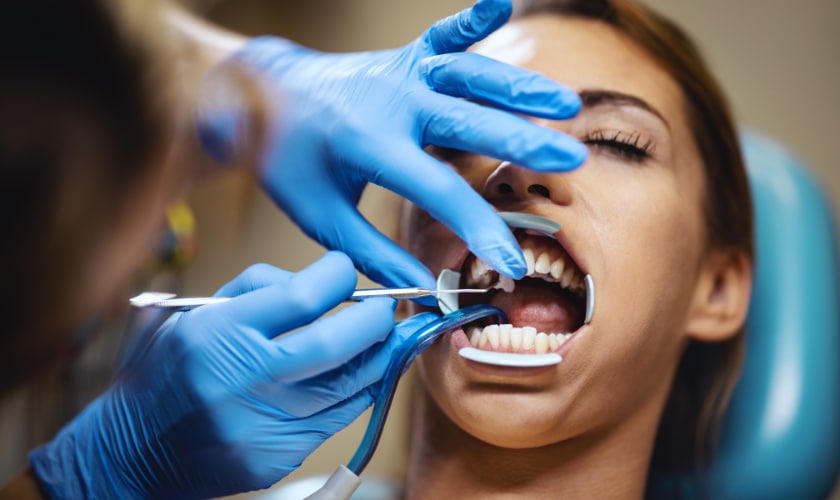
Are you tired of the metal taste in your mouth every time you chew? Do you feel self-conscious about showing off your silver fillings when you smile? Dental bonding might be just what you need. This cosmetic dental treatment is gaining popularity as an alternative to traditional fillings, but is it right for everyone? In this post, we’ll explore the benefits and drawbacks of replacing your old fillings with dental bonding to help you make an informed decision. Get ready to say goodbye to unsightly and uncomfortable metal fillings!
What is Dental Bonding?
Dental bonding is a type of dental restoration that is used to improve the appearance of teeth. Bonding can be used to repair cracked or chipped teeth, close gaps between teeth, change the color of teeth, or make teeth look longer. Bonding is usually done on the front teeth because they are the most visible.
Bonding is done by using a tooth-colored resin that is bonded to the tooth with an adhesive. The resin is then shaped and polished to match the surrounding teeth. Bonding can last for several years, but it may need to be redone if the tooth becomes damaged or if the bond begins to wear down.
Benefits of Dental Bonding
There are many benefits of dental bonding, which is why this treatment is becoming increasingly popular. Unlike traditional fillings, which can be made of metal or other materials that can be visible when you smile, dental bonding uses a tooth-colored resin that looks natural and can improve the appearance of your smile. Bonding can also be used to repair chipped or cracked teeth or to change the shape or color of your teeth. In addition, bonding is often less expensive than other cosmetic treatments such as veneers.
How Long Does Dental Bonding Last?
Dental bonding can last for many years, but it is not as durable as other types of dental restorations. The material is subject to staining and wear, so it may need to be replaced sooner than other types of fillings.
Risks and Disadvantages of Dental Bonding
Dental bonding is a popular cosmetic dentistry procedure that can be used to improve the appearance of your smile. However, there are some risks and disadvantages associated with dental bonding that you should be aware of before deciding if this is the right treatment for you.
One of the main risks of dental bonding is that the bonded material is not as strong as natural tooth enamel. This means that it can easily become chipped or cracked, especially if you chew hard foods or bite your nails. Bonded teeth are also more susceptible to staining and discoloration than natural teeth.
Another downside of dental bonding is that the results are not permanent. The bonded material will eventually break down and need to be replaced. This can be a costly and time-consuming process.
If you are considering dental bonding, be sure to discuss all of the risks and disadvantages with your dentist so that you can make an informed decision about whether or not this treatment is right for you.
Source: Smile Influencers
When Should You Consider Replacing Your Fillings with Dental Bonding?
If your traditional fillings are more than 10 years old, it may be time to consider replacing them with dental bonding. Over time, fillings can become loose and fall out, which can lead to tooth decay and other problems. Dental bonding is a newer, more durable type of filling that can last up to 20 years with proper care. If you have any concerns about your fillings, be sure to talk to your dentist.
Conclusion
Overall, dental bonding is a great option for replacing traditional fillings. It has several advantages over other treatments such as being quick and painless, easy to maintain, and durable. Furthermore, it looks very natural and can help improve the appearance of your smile! If you’re looking for an alternative to traditional fillings or just want to spruce up your smile with some cosmetic dentistry, then dental bonding might be the solution for you. Talk to your dentist about whether this treatment would be suitable for you.
What is dental bonding?
Dental bonding is a procedure in which a tooth-colored resin is applied to the tooth and hardened with a special light. Bonding can be used to improve the appearance of teeth that are chipped, cracked, or discolored. It can also be used to close gaps between teeth or to change the shape of teeth.
What are the benefits of dental bonding?
One of the main benefits of dental bonding is that it can be done quickly and easily in one office visit. Bonding is also usually less expensive than other cosmetic dentistry procedures such as veneers or crowns. In addition, bonded teeth tend to be more resistant to staining than natural teeth.
What are the drawbacks of dental bonding?
One potential drawback of dental bonding is that the resin used is not as strong as other materials such as porcelain, so it may not last as long. Bonded teeth may also require more frequent cleaning and may need to be replaced more often than natural teeth.
Recent Post

September 21, 2026
Can Diabetes Increase the Risk of Dental Implant Failure?
September 17, 2026
Can You Get Dental Implants Years After Losing a Tooth?

September 11, 2026
What to Eat After Dental Implant Surgery: A Complete Recovery Guide

September 4, 2026
Why Do My Gums Bleed When I Brush?

August 26, 2026
Can You Use Garlic for Tooth Pain? Benefits, Risks, and Alternatives
Categories
Dental Bonding (1)