
Blog
Sleep Apnea
Sleep Apnea: Causes, Symptoms, and Treatments
October 2, 2025
Sleep Apnea
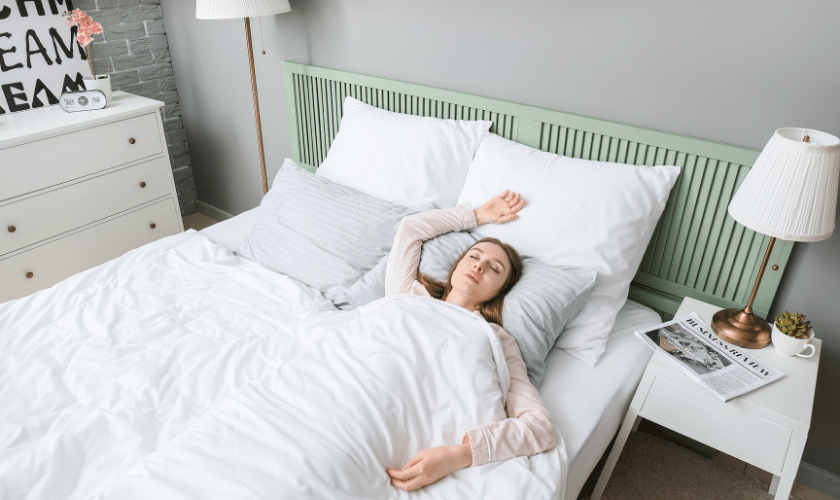
Are you constantly feeling tired during the day, even after a full night’s sleep? Do you snore loudly while sleeping or wake up frequently gasping for air? These could be signs of sleep apnea. Sleep apnea is a common disorder that affects millions of people worldwide, yet many are unaware they have it. In this blog post, we will explore what sleep apnea is, its various types and symptoms as well as effective treatments to help improve your quality of life. So sit back, relax and get ready to learn all about this important condition!
What is Sleep Apnea?
Sleep apnea is a sleep disorder characterized by breathing pauses that occur during sleep. These pauses can last for several seconds or even minutes and may happen multiple times throughout the night, disrupting a person’s normal sleeping pattern. There are two main types of sleep apnea: obstructive sleep apnea (OSA) and central sleep apnea (CSA). OSA is caused by a physical blockage in the airways, while CSA occurs when the brain fails to signal the muscles to breathe properly. Both types of sleep apnea can lead to loud snoring, gasping or choking sounds during sleep, restless nights, daytime fatigue and mood swings. It’s important to note that not everyone who snores has sleep apnea. Obstructive Sleep Apnea is more common than Central Sleep Apnea and often affects overweight individuals as well as people with small airways due to genetics or other factors. However, anyone at any age can develop this condition from children to older adults. If you suspect you have this condition it is important you speak with your physician immediately because untreated Sleep Apnea can cause serious health issues such as high blood pressure, heart disease, stroke and diabetes among others.
How Sleep Apnea Affects Your Life
Sleep apnea is a sleep disorder that affects your breathing while you are asleep. It can cause symptoms such as loud snoring, gasping for air during sleep, and waking up feeling tired or fatigued. While these symptoms may seem minor, the effects of untreated sleep apnea on your life can be much more significant. One of the main ways that sleep apnea affects your life is by disrupting your ability to get a good night’s rest. When you have sleep apnea, your breathing stops and starts several times throughout the night, which means that you do not get enough oxygen to keep your body functioning at its best. This lack of quality rest can lead to daytime fatigue, difficulty concentrating at work or school, and even mood changes like depression or irritability. Sleep apnea also increases your risk for other health problems such as high blood pressure, heart disease and stroke. Additionally, it has been linked to an increased risk of accidents due to drowsy driving or operating heavy machinery. If left untreated for long periods of time, sleep apnea may lead to chronic illnesses. Therefore if you think you might have this condition it’s important to seek medical attention right away in order to improve not only the quality but longevity of one’s life
The Different Types of Sleep Apnea
Sleep apnea is a sleep disorder that affects millions of people worldwide, and there are different types of sleep apnea. The most common type is obstructive sleep apnea (OSA), which occurs when the muscles in the back of your throat fail to keep your airway open during sleep. Central sleep apnea (CSA) is less common and happens when your brain fails to send proper signals to control breathing during sleep. Complex or mixed sleep apnea is a combination of both OSA and CSA, where you experience moments of paused breathing followed by shallow or interrupted breaths. Each type has unique symptoms and requires specific treatment approaches. Other rare types include positional or postural-related sleep apnea, where sleeping on your back causes airway obstruction; obesity hypoventilation syndrome (OHS), occurring due to excess body fat affecting normal breathing patterns; nocturnal epilepsy, causing seizures during deep stages of slumber. It’s important to note that only a physician can diagnose any type of Sleep Apnea through an overnight polysomnography test. Therefore, if you’re experiencing any related symptoms mentioned earlier like loud snoring, gasping for air while asleep, or restless nights. Please seek medical attention immediately as early diagnosis leads to better outcomes with various treatment options available for all types!
What are the Symptoms of Sleep Apnea?
Sleep apnea is a serious sleep disorder that can cause major health issues if left untreated. It affects millions of people worldwide and can be difficult to diagnose without professional help. In order to identify whether or not you have sleep apnea, it’s important to recognize the symptoms associated with this condition. One common symptom of sleep apnea is loud snoring, which occurs when the airway becomes partially blocked during sleep. This blockage causes vibrations in the throat, resulting in a loud noise that can disturb the sleeper and anyone else nearby. Another symptom of sleep apnea is waking up frequently throughout the night due to difficulty breathing. These awakenings are often accompanied by gasping or choking sensations as well as feelings of suffocation. Daytime fatigue and drowsiness are also common symptoms of sleep apnea. Because sufferers aren’t getting enough restful REM (rapid eye movement) sleep throughout the night, they may feel exhausted during daytime hours despite having slept for several hours at night. Those who suffer from sleep apnea may experience headaches upon awakening, dry mouth or sore throat in the morning, memory problems and mood changes such as depression or irritability. If you’re experiencing any combination of these symptoms on a regular basis, it’s important to talk with your doctor about testing for possible diagnosis and treatment options for Sleep Apnea
How to Treat Sleep Apnea
Sleep apnea is a serious condition that requires proper treatment. The good news is that there are several ways to treat it. One of the most common treatments for sleep apnea is continuous positive airway pressure (CPAP) therapy. This involves wearing a mask over your nose and mouth while you sleep, which delivers a constant flow of air to keep your airways open. Another effective treatment option for sleep apnea is oral appliances. These devices work by repositioning the tongue or jaw to keep the airway open during sleep. They are typically custom-made by a dentist or orthodontist and can be very effective in treating mild to moderate cases of sleep apnea. In some cases, surgery may be necessary to treat severe cases of sleep apnea. Surgery can help remove excess tissue from the throat or correct structural abnormalities that may be causing the obstruction. Lifestyle changes can also play an important role in treating sleep apnea. Losing weight, avoiding alcohol and sedatives before bed, and sleeping on your side instead of your back can all help reduce symptoms. If you suspect you have sleep apnea, it’s important to speak with your doctor about getting tested and finding the right treatment plan for you. With proper treatment, many people with sleep apnea are able to get better quality rest and improve their overall health and well-being.
The Bottomline
Sleep apnea is a serious medical condition that can have severe consequences if left untreated. It is important to be aware of the symptoms and seek a proper diagnosis from a healthcare professional. With the right treatment plan in place, such as CPAP therapy or lifestyle changes, individuals with sleep apnea can experience significant improvement in their quality of life and overall health. Remember, getting enough restful sleep each night is crucial for our physical and mental well-being. Don’t ignore any signs or symptoms that may indicate you have sleep apnea – take action today to improve your health and prevent further complications down the road. Sweet dreams!
Recent Post
September 21, 2026
Can Diabetes Increase the Risk of Dental Implant Failure?
September 17, 2026
Can You Get Dental Implants Years After Losing a Tooth?
September 11, 2026
What to Eat After Dental Implant Surgery: A Complete Recovery Guide
September 4, 2026
Why Do My Gums Bleed When I Brush?
August 26, 2026
Can You Use Garlic for Tooth Pain? Benefits, Risks, and Alternatives
Categories
Sleep Apnea (2)