
Blog
General Dentistry
White Patch in Your Mouth: What Could It Mean?
July 21, 2026
General Dentistry
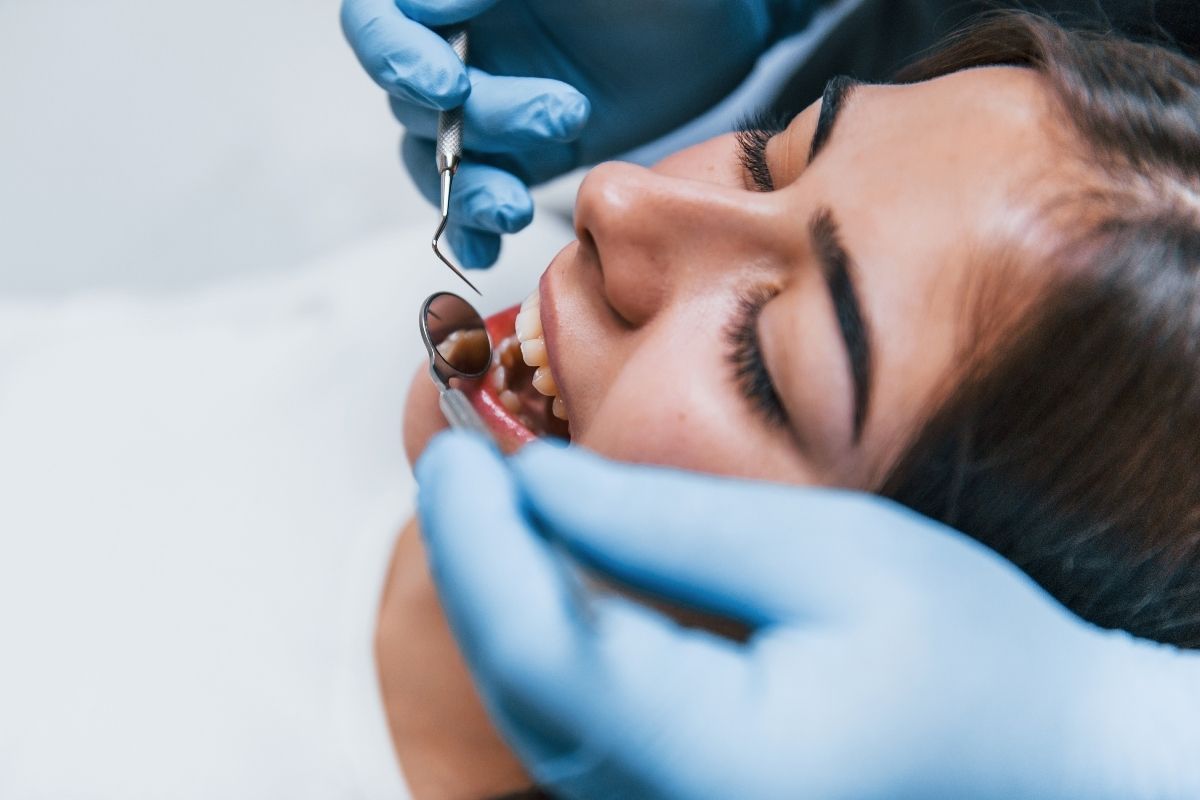
Finding a white patch inside your mouth can be concerning, especially if it does not go away after a few days. A white patch may be caused by something harmless, such as irritation, but it can also be an early sign of an infection or a condition that needs professional attention. The best approach is to avoid guessing and have it evaluated if it lasts longer than two weeks, becomes painful, or starts to change in size or appearance.
Common Reasons You May Notice a White Patch
Not every white patch has the same cause. Some develop from everyday irritation, while others may be linked to an underlying health condition.
An oral health professional can examine the area, identify the cause, and recommend the right next steps instead of relying on home remedies or online advice.
Some of the most common causes include:
Friction or Irritation
A rough tooth, an ill-fitting appliance, or repeatedly biting the inside of your cheek can irritate the soft tissues. The affected area may develop a white, thickened patch as the tissue tries to protect itself. Once the source of irritation is corrected, the patch often improves.
Oral Thrush
Oral thrush is a fungal infection caused by an overgrowth of yeast. It often appears as creamy white patches that may wipe away, leaving a red surface underneath. It is more common in young children, older adults, people with weakened immune systems, and those using certain medications.
Leukoplakia
Leukoplakia causes thick white patches that cannot be wiped off. Many cases are not dangerous, but some may contain abnormal cells that require monitoring or further testing. This is why any persistent white patch should never be ignored.
Oral Lichen Planus
This inflammatory condition often appears as delicate white lines or patches inside the cheeks. Some people have no symptoms, while others experience burning or sensitivity when eating spicy or acidic foods.
When Should You Be Concerned?
A white patch deserves prompt attention if it:
Lasts longer than two weeks
Cannot be wiped away
Becomes painful or starts bleeding
Changes in size, shape, or texture
Makes it difficult to eat or swallow
These changes do not automatically mean something serious, but they should always be evaluated. Early diagnosis often makes treatment simpler and more effective.
How Is the Cause Diagnosed?
The first step is a careful examination of your mouth and surrounding tissues. Your provider will ask about your symptoms, health history, medications, and any possible sources of irritation.
If the area looks suspicious or does not improve after removing the cause of irritation, a small tissue sample may be recommended for further evaluation. Testing helps confirm the diagnosis instead of relying on appearance alone.
Can White Patches Be Prevented?
While not every case can be prevented, healthy habits can lower your risk.
Brush and floss every day.
Keep routine dental visits.
Avoid tobacco products.
Limit alcohol consumption.
Stay hydrated.
Address rough teeth or poorly fitting appliances promptly.
Paying attention to changes inside your mouth is an important part of protecting your overall health.
Do Not Ignore Changes That Stick Around
A white patch may disappear on its own, but one that remains for more than two weeks deserves professional evaluation. Early assessment provides peace of mind and helps identify problems before they become more difficult to manage.
Protect Your Smile With Trusted Care
If you have noticed a white patch that is not going away, schedule an evaluation with Gentle Family Dentist Avondale and Dental Implants. We proudly care for patients in Avondale and welcome families from Litchfield Park, Maryvale, Goodyear, Tolleson, Buckeye, Laveen, Estrella Mountain Ranch, and Pebble Creek. Let our experienced team help you find answers and keep your smile healthy with personalized care.
Frequently Asked Questions :
1. Can a white patch in the mouth go away on its own?
Yes. If the patch is caused by minor irritation, it may disappear once the source is removed. If it lasts more than two weeks, it should be evaluated.
2. Is every white patch a sign of cancer?
No. Most white patches are linked to irritation, infections, or inflammatory conditions. Persistent patches should still be examined to rule out more serious causes.
3. Can I scrape off a white patch?
Some patches, such as those caused by oral thrush, may wipe away. Others cannot. Avoid trying to remove them yourself because it may cause irritation or bleeding.
4. Does a white patch always hurt?
No. Many white patches are painless, which is one reason people often ignore them. A painless patch can still require professional evaluation.
5. When should I schedule an appointment?
If the patch lasts longer than two weeks, changes in appearance, bleeds, or causes discomfort, it is time to have it checked.
Recent Post

September 21, 2026
Can Diabetes Increase the Risk of Dental Implant Failure?
September 17, 2026
Can You Get Dental Implants Years After Losing a Tooth?

September 11, 2026
What to Eat After Dental Implant Surgery: A Complete Recovery Guide
September 4, 2026
Why Do My Gums Bleed When I Brush?

August 26, 2026
Can You Use Garlic for Tooth Pain? Benefits, Risks, and Alternatives
Categories
General Dentistry (34)